Blender buying guide
Updated June 2026Independently researchedNo paid placement.
Focus on blade design and jar material over raw wattage numbers. A sturdy, wide base and a warranty of at least five years often matter more than peak motor power. Look for a jar that fits your counter height and dishwasher for easy cleaning.
Does wattage actually tell you how well a blender will perform?
Wattage is one of the most advertised specs, but it’s a poor standalone measure of performance. Many high-wattage blenders still struggle with ice or fibrous greens because the blade design or jar shape doesn’t create a strong vortex. What really matters is torque, the sustained turning force at lower speeds, and how efficiently the blades circulate ingredients. In practical terms, a reputable brand’s mid-range motor (generally 800–1200 watts) often outperforms a generic budget model with a higher peak wattage. Look for owner reviews that mention consistent results with frozen fruit, leafy greens, and nuts. If a blender is marketed solely on its highest watt number, dig deeper into the blade and jar engineering.
What jar material and size should you choose?
Jar material affects weight, durability, and maintenance. Plastic (usually Tritan copolyester) is lightweight and shatter-resistant, but it can scratch and hold odors over time. Glass is heavy, stain-resistant, and lets you see the blend clearly, but it can break if dropped. Stainless steel is virtually indestructible and doesn’t absorb smells, but you lose visibility of the blending process, plus it doesn’t work with induction drive bases in some models. Size is about your typical batch. Personal blender jars (16–24 ounces) are convenient for single smoothies but too small for soups or family batches. Full-size jars (48–64 ounces) handle large quantities, but check your counter height to ensure the blender fits under cabinets when fully assembled. A removable, dishwasher-safe jar is a quality-of-life feature worth prioritizing.
How does blade design affect blending results?
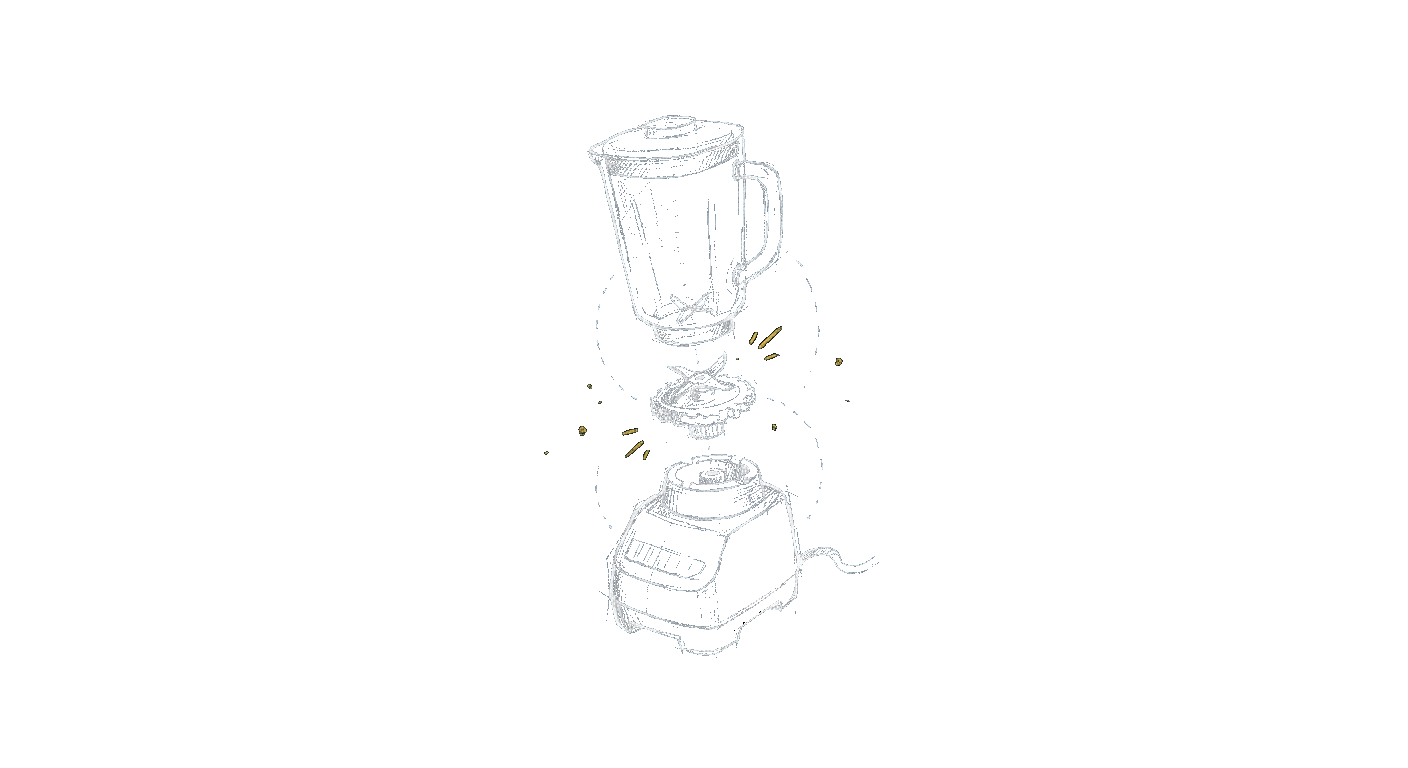
Blade shape and sharpness matter far more than the number of blades. Many good blenders use a four-prong stainless steel assembly with alternating angles to create a downward vortex that pulls ingredients into the blades. Serrated edges can help break down ice and frozen fruit, while smoother, duller blades rely more on impact speed. The clearance between the blade tips and the jar wall is also critical. Too much gap and whole pieces stay unblended; too little gap and the motor strains. Removable blade assemblies make cleaning safer and more thorough. Look for designs that are easy to take apart by hand and have no hidden crevices where food can get trapped.
Why does warranty matter more than you think?
A long warranty is often the best indicator of a manufacturer’s confidence in its product. High-end blenders commonly carry motor warranties of five to ten years, and some even cover the jar for life. Budget models typically offer one or two years, which suggests lower expected longevity. Warranty terms vary: the motor base is almost always the longest-covered component, while gaskets, lids, and jars have shorter periods. Factor the warranty into the total cost of ownership. A blender with a ten-year motor warranty and a solid owner reputation may be worth spending a bit more upfront, since it can outlast several cheap replacements.
Should you get a personal blender or a full-size machine?
It depends entirely on your routine and kitchen space. Personal blenders are compact, have travel cups that double as jars, and are quick to clean, ideal for one or two daily smoothies. However, they usually lack the motor torque for thick nut butters or hot soup blending, and you can’t scale up a recipe. Full-size blenders are more versatile: they can crush ice, grind grains, and blend large batches. They also tend to have sturdier motors and wider bases for stability. If you entertain often or make family-sized portions, a full-size model is the better investment. Some brands offer a personal blending attachment that fits onto the same base, giving you both options without buying two machines.
What extra features are actually worth paying for?
Variable speed dials and a dedicated pulse button are genuinely useful because they give you control over texture, from chunky salsa to silky purees. Preprogrammed settings can be convenient if you make the same recipe repeatedly, but they aren’t a must; the self-cleaning cycle is often the preset people use most. Sound insulation is a practical upgrade if you blend early in the morning or have a open kitchen. A lid with a locking mechanism and a vented cap for adding ingredients mid-blend adds safety and ease. Skip flashy gimmicks like built-in touchscreens or recipe scales unless you’re certain you’ll use them regularly. Focus on build quality and cleaning ease first.
Frequently asked questions
What wattage blender do I need for daily smoothies?
For fruit and greens, 500 to 800 watts is usually sufficient. If you regularly crush ice or blend frozen fruit, aim for 1000 watts or more, but pay attention to blade torque as well.
Is a glass jar better than plastic?
Glass is non-porous and won’t stain or absorb odors, but it’s heavier and can break. Plastic is lighter and shatter-resistant but may scratch and cloud over time. Choose based on your priority for clarity versus durability.
Can I blend hot liquids in any blender?
Only use blenders with a vented lid or thermal-rated jar for hot liquids. Blending hot soup in a sealed plastic jar can create pressure and blow the lid off, causing burns.
How many blades should a good blender have?
Most reliable full-size blenders use a four-prong stainless steel blade assembly. More blades don’t always mean better; the shape and sharpness matter more. Look for blades that are easily removable for cleaning.
What does a 10-year warranty really cover?
Typically the motor base. Jars, lids, and gaskets often have shorter coverage, like 2 to 5 years. Read the fine print. A long motor warranty suggests the manufacturer trusts its build quality.
Should I buy a blender with presets?
Presets can be convenient if you make the same recipe often, but they aren’t necessary. Manual speed control gives you more flexibility. The self-cleaning preset is often the most useful one.