Coffee grind size guide
Updated June 2026Independently researchedNo paid placement.
The right coffee grind size depends entirely on your brew method: coarser grinds for longer extraction (French press, cold brew) and finer grinds for short, pressurized contact (espresso, Aeropress). If your coffee tastes sour, your grind is likely too coarse; if it tastes bitter, it’s probably too fine. Adjusting your grind is the single most powerful lever for dialing in flavor.
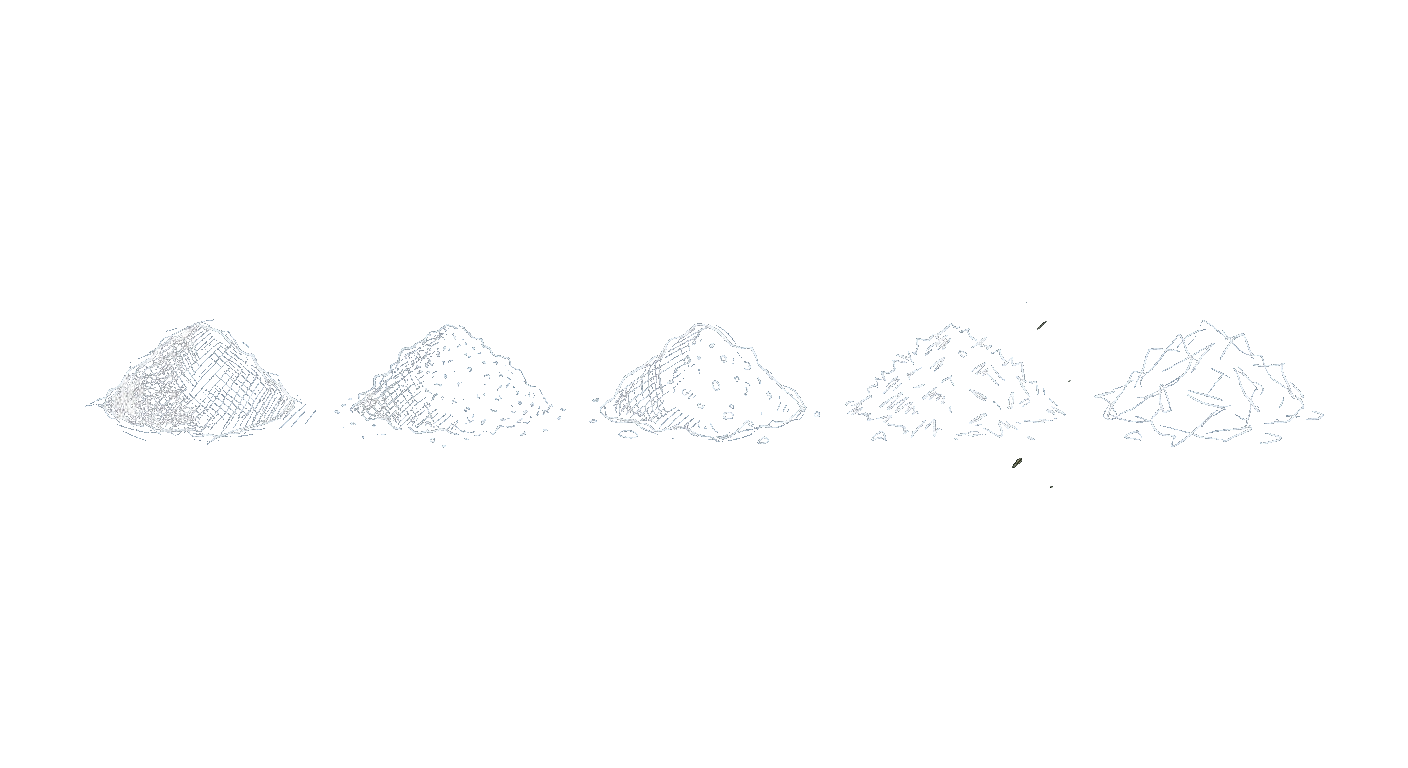
What grind size works best for each brew method?
Every brew method has an ideal grind size because extraction time and water contact differ. For espresso, you need a fine, powdery grind, almost like table salt, that creates enough resistance to build pressure. Drip coffee makers and pour-over brewers like the Hario V60 call for a medium grind, similar to beach sand. French press and cold brew require a coarse, chunky grind with big particles that won’t slip through the mesh filter. A burr grinder is essential for achieving these consistent sizes; blade grinders produce uneven particles that lead to a mix of over- and under-extracted coffee in the same cup. If you’re switching between methods often, look for a stepless grinder that lets you dial in micro-adjustments. Pre-ground coffee is a shortcut, but it limits your ability to dial in freshness and flavor.
How does grind size affect the taste of your coffee?
Grind size determines how fast water extracts soluble compounds from the coffee. A finer grind exposes more surface area, which leads to faster extraction and can pull out bitter, astringent flavors if you go too far. A coarser grind slows extraction, often producing sour, underdeveloped notes when used with short brew times. The sweet spot is a uniform grind where water flows at a steady rate and extracts flavors evenly, bright acidity, good body, and balanced sweetness. Uneven grinds (lots of fines and boulders) cause channeling in espresso and muddy, inconsistent flavor in pourover. That’s why a quality burr grinder is far more important than an expensive espresso machine for making great coffee at home.
How to troubleshoot a bitter or sour cup by adjusting grind
If your coffee tastes harsh, dry, or deeply bitter, especially toward the back of your tongue, your grind is probably too fine for the brew method. Try stepping coarser by one or two clicks on your grinder. If the coffee tastes sharp, sour, or grassy (like lemon juice), your grind is too coarse and extraction is too fast. Grind finer to slow things down and pull out more sweetness. Always change only one variable at a time: grind size first, then dose, then water temperature. A good rule of thumb is to adjust your grind until the brew time listed for your method matches (for example, 25–30 seconds for espresso, 3–4 minutes for pourover). With a little practice, you’ll be able to diagnose and fix off-tastes before your second cup.
Why a burr grinder matters more than you think for consistent grind size
Blade grinders chop coffee beans randomly, creating a chaotic mix of dust and half-cracked chunks. That uneven spread makes it impossible to dial in a specific grind size for a brew method. Burr grinders, on the other hand, crush beans between two abrasive surfaces to produce near-uniform particles. Even an entry-level conical burr grinder (like the Baratza Encore) offers a huge improvement over a blade model. If you’re serious about matching grind to brew method, a burr grinder isn’t a luxury, it’s the single most important tool in your setup. The consistency directly controls flow rate and extraction, which means you’ll actually be able to troubleshoot by taste. Without it, your grind size is a roll of the dice every morning.
Best grind sizes for espresso, pour-over, French press, and more
**Espresso**: Fine as powdered sugar (almost dust-like). it should clump slightly when pinched. **Aeropress**: Medium-fine, slightly finer than table salt; works well with a short steep. **Pour-over (V60, Chemex)**: Medium, like coarse sea salt; aim for a pour that finishes around 3 minutes. **French press**: Coarse, like breadcrumbs, large particles that won’t slip through the mesh plunger. **Cold brew**: Extra-coarse, almost cracked pepper; the long steep time (12–24 hours) extracts slowly without bitterness. These are starting points, not absolutes. Every coffee bean and every grinder behaves a little differently. The real test is how the coffee tastes: if it’s sour, go finer; if it’s bitter, go coarser. Keep a simple notebook or note app to track your grind settings so you can replicate a good cup later.
Should you use cling or anti-static measures with your grinder?
Static electricity makes ground coffee stick to the grind chamber and lid, wasting a small amount and creating a mess. Many modern burr grinders include an anti-static coating or a fine mist sprayer to reduce cling. If your grinder doesn’t have that, a simple trick is to flick a few drops of water onto the beans just before grinding, the moisture neutralizes static without affecting flavor. This is more of a convenience issue than a taste issue, but a messy grinder can affect your dose accuracy over time. For best results, consider a grinder with a dosing cup that fits tightly under the chute, and wipe down the chamber occasionally to keep old grounds from mixing with fresh ones.
Frequently asked questions
What’s the best grind size for a standard drip coffee maker?
A medium grind, similar to kosher salt or beach sand, is ideal for most automatic drip machines. Too fine and the basket might overflow; too coarse and the coffee will be weak and sour.
Can I use pre-ground coffee for espresso?
You can, but pre-ground espresso is usually too stale to produce proper crema and won’t be fine enough for your machine’s basket. Freshly ground beans dialed to your specific grinder are essential for true espresso.
My coffee tastes sour. Do I need to grind finer or coarser?
Sourness usually means under-extraction, so grind finer. This increases surface area and slows water flow, pulling out more sweetness and acidity. If sour persists, also check your water temperature (it should be around 195–205°F).
How do I know if my grinder is producing uneven grind sizes?
Sieve a small sample of grounds through a fine mesh strainer, if you see lots of dust and big chunks alongside the main particle size, your grinder is uneven. Another sign is a muddy, sludgy coffee bed after brewing.
Is a conical burr grinder better than a flat burr grinder for home use?
Both can produce excellent results, but conical burrs are often quieter and less prone to jamming, while flat burrs tend to give a slightly more uniform particle distribution at finer settings. For most home brewers, a good conical burr grinder is more than enough.
How fine should I grind for a Moka pot?
A fine grind, slightly coarser than espresso but definitely not as coarse as drip. Aim for a consistency like very fine sand. If the coffee sputters or tastes burnt, your grind may be too fine or you’re overfilling the basket.