How to choose a coffee grinder
Updated June 2026Independently researchedNo paid placement.
Focus on burr type (conical or flat), adjustment precision (stepped or stepless), and retention. Match your grinder to your brew method: espresso needs fine, consistent grounds, while French press needs coarse and uniform. Avoid blade grinders for any serious coffee.
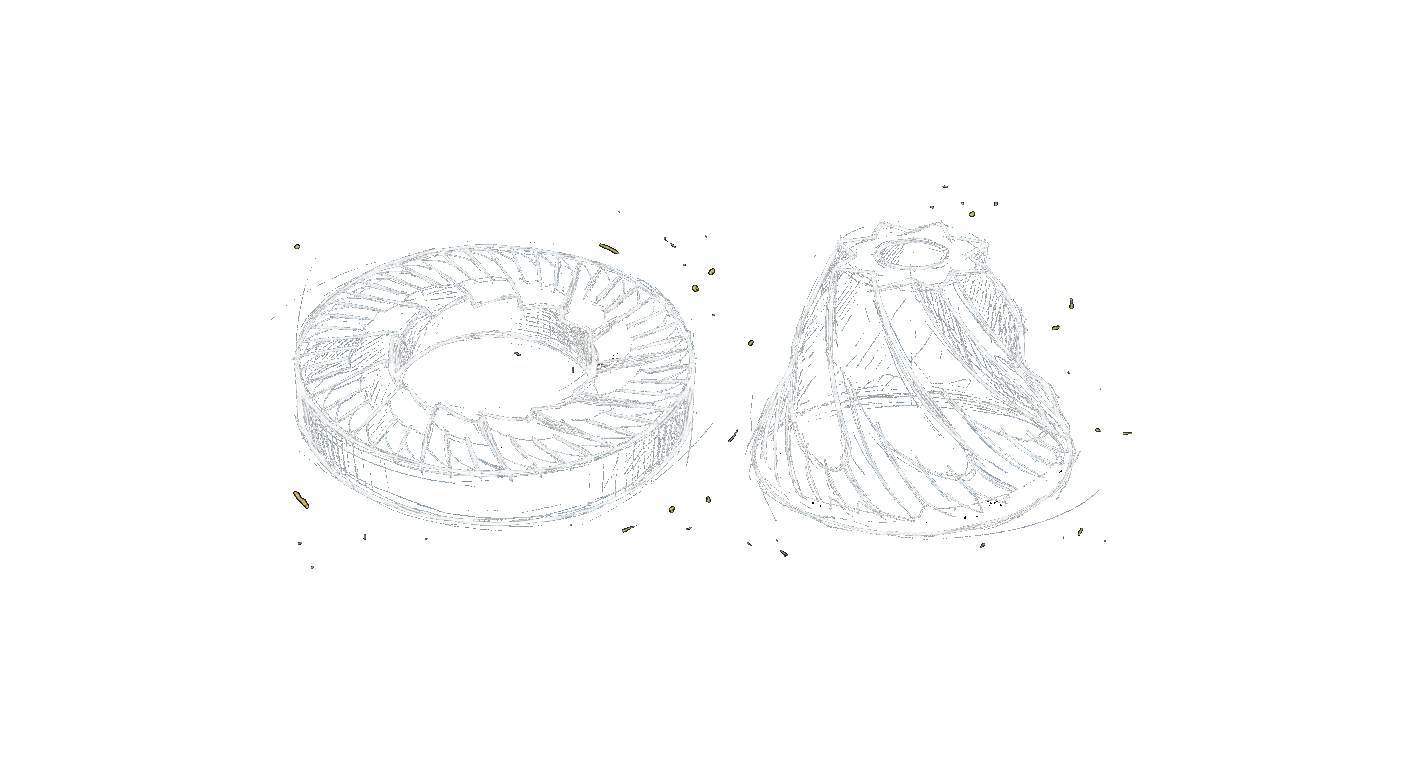
Conical vs flat burrs: which is right for you?
Burrs are the heart of any serious grinder. Conical burrs have a cone-shaped inner burr and a ring-shaped outer one. They’re generally quieter and cheaper to manufacture, and they produce a slightly more rounded flavor profile because of a wider particle size distribution. Many home-focused grinders use conicals. Flat burrs consist of two parallel rings. They tend to be more expensive and a bit louder, but they deliver a narrower particle distribution, which can highlight clarity and brightness in the cup. Flat burrs are the standard for high-end espresso setups. For most home brewers, either type makes excellent coffee. The bigger difference is adjustment precision and build quality.
Stepped vs stepless adjustment: what fits your routine?
Stepped grinders click into preset positions. They’re intuitive and repeatable once you find a setting you like. This is perfectly fine for drip, pour-over, and French press. For espresso, steps can be too wide to dial in perfectly, so you may have to settle for close enough. Stepless grinders offer infinite adjustment via a knob or lever. They’re essential for serious espresso because you can tweak by the tiniest amount. The downside is a learning curve and less repeatability if you switch back and forth between brew methods. Many mid-range and premium grinders now combine a fine thread with detents to offer the best of both.
How much retention is too much?
Retention refers to the grounds that get stuck inside the grinder after each dose. A little is normal – a few tenths of a gram. Anything over a gram becomes noticeable, especially if you single-dose. High retention can lead to stale coffee mixing in with fresh grounds and makes switching beans annoying. Single-dosing grinders with low retention (often under half a gram) are ideal if you change beans often or want maximum freshness. If you use a hopper and grind on demand, a bit more retention is acceptable, but clean the chute and burrs weekly to avoid rancid buildup. Many modern designs incorporate bellows or “eject” mechanisms to purge retained grounds.
Matching your grinder to your brew method
Espresso demands the finest, most consistent grind, so you need a burr grinder that can dial in precisely. Flat burrs are common here, but well-built conicals also work. Stepless adjustment is a big plus. The grinder must produce very few fines and a narrow particle distribution. For drip, pour-over, and AeroPress, a mid-range conical burr grinder with stepped adjustment does a fantastic job. Coarse grind for French press requires a grinder that doesn’t create too many fines at larger settings. Some budget grinders struggle here and produce sludge. Look for models specifically praised for their coarse grind uniformity. If you brew multiple methods, consider a grinder with a wide adjustment range that stays clean when you switch back and forth. A single grinder can cover everything, but you’ll need to dial in each time.
Build quality and noise: what to look for
A grinder should feel solid. Metal burrs, a stable base, and a motor that doesn’t overheat after a few doses are signs of quality. Plastic bodies aren’t necessarily bad, but check that the burr carrier and adjustment mechanism are metal – that’s where wear happens. Noise varies widely. Conical burrs tend to be quieter than flats, but motor quality matters more. High-end grinders use low-RPM motors that generate less noise and heat. If you’re grinding early in the morning, look for owner reviews mentioning “quiet operation.” Budget grinders can be loud and jarring. Hand grinders are nearly silent and offer superb build for the price.
Burr material and size: does it matter?
Most burrs are made from hardened steel or ceramic. Steel stays sharp longer but can wear with very hard beans (like aged robusta). Ceramic is harder and typically cheaper, but it’s brittle and can chip if you drop the grinder or grind a stray rock. For home use, both are fine. Burr size – often measured in millimeters – influences grind speed and consistency. Larger burrs grind faster and stay cooler, but they’re not automatically better. A smaller burr with excellent geometry can outperform a larger one with poor alignment. Don’t fixate on diameter; focus on alignment and reputation. The best grinders, regardless of burr size, have minimal wobble and precise tolerances.
Frequently asked questions
Can I use a blade grinder instead of a burr grinder?
Only if you don’t care about consistency. Blade grinders chop unevenly, producing a mix of powder and chunks. That leads to over-extraction and under-extraction in the same brew. For any serious coffee, a burr grinder is the minimum required tool.
How often should I clean my coffee grinder?
Ideally, every two to four weeks, or whenever you switch bean types. Use a stiff brush and grind a few grams of cleaning tablets or uncooked rice (for grinding only – don’t brew rice). Remove the burrs for a deep clean at least every few months depending on use.
Is a hand grinder as good as an electric one?
Yes, at many price points. Hand grinders under a hundred dollars often outperform electric grinders twice the price because all the budget goes into burr quality and alignment. They’re quiet, portable, and great for single servings. For large batches or espresso, electric makes more sense.
What’s the difference between espresso grind and drip grind?
Espresso grind is very fine, almost powdery, to create backpressure during extraction. Drip grind is medium, like granulated sugar. The grinder must be able to produce a consistent particle size at both ends of the spectrum without creating excessive fines or boulders.
Do I need a single-dosing grinder?
If you change beans daily or want maximum freshness by grinding only what you need, yes. Single-dosing avoids stale coffee sitting in a hopper. If you grind the same bag for a week, a hopper-based grinder with modest retention works fine and is often more convenient.
How much should I spend on a coffee grinder?
The sweet spot for most home brewers is a few hundred dollars. That buys a burr grinder with solid metal construction and good adjustment. For espresso, you may need to spend a little more to get the precision required. Budget-friendly options around a hundred dollars can serve well for drip and French press.