Best espresso machines under $500
Updated June 2026Independently researchedNo paid placement.
The Breville Bambino Plus is our top pick for its combination of speed, convenience, and consistently excellent microfoam.
The Gaggia Classic Pro suits enthusiasts who want a durable, manual machine, while the Breville Barista Express is ideal for those who prefer a complete integrated system.
A quality espresso at home doesn’t have to cost a month’s rent. you can find machines that pull proper shots and steam milk well, enough to rival your local café without breaking the bank. The key is knowing which trade-offs you’re comfortable with: Do you want instant heat-up and automated steam, or are you willing to learn a more manual workflow for better long-term durability? When choosing, think about your daily routine. Fast machines with built-in grinders save counter space and time, but they often skimp on grind consistency or steaming power. Separate machines give you more control and repairability but demand a steeper learning curve and more gear. Below, we’ve ranked the three best options based on real owner feedback and expert reviews, no hype, just honest picks.
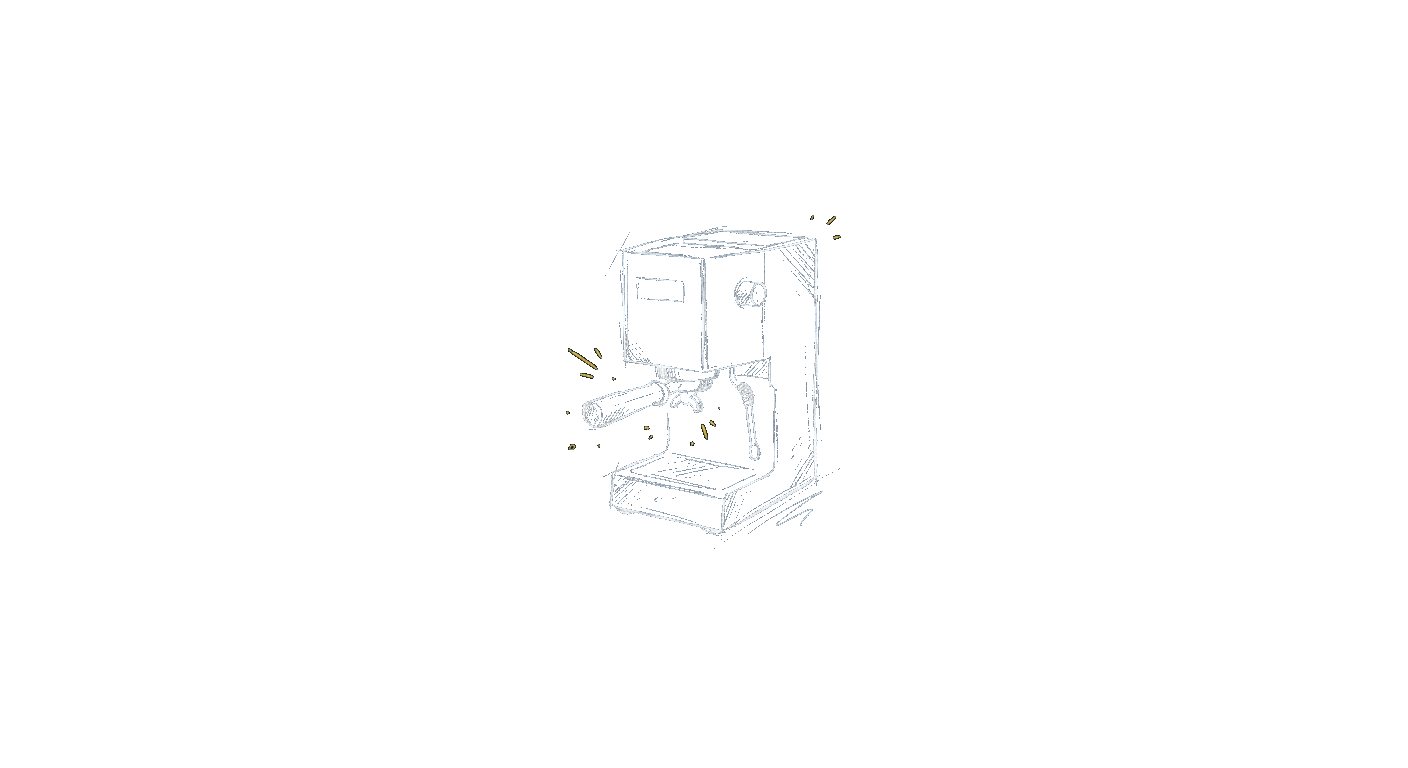
Breville Bambino Plus
the do-it-all default
4.7out of 5The Bambino Plus heats up in three seconds and delivers café-quality microfoam automatically. It’s the easiest path to great espresso though the smaller portafilter and plastic components mean it’s not as tanklike as the Gaggia.
Price range: $$
Check price on Amazon →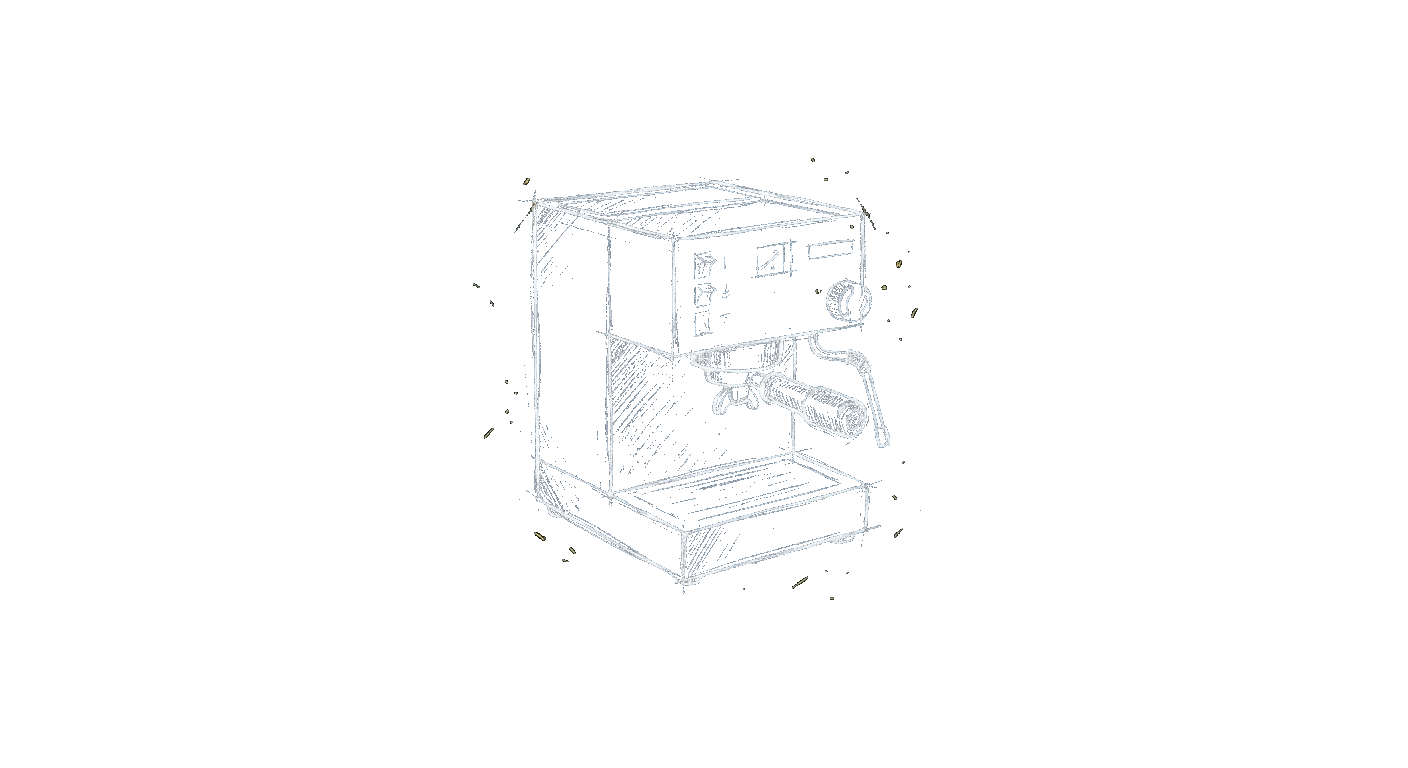
Gaggia Classic Pro
the enthusiast’s workhorse
4.4out of 5The Classic Pro is built like a tank with a commercial-style group head and a three-way solenoid valve. It demands practice to dial in, but it’s repairable, moddable, and capable of excellent shots once you learn its quirks.
Price range: $$
Check price on Amazon →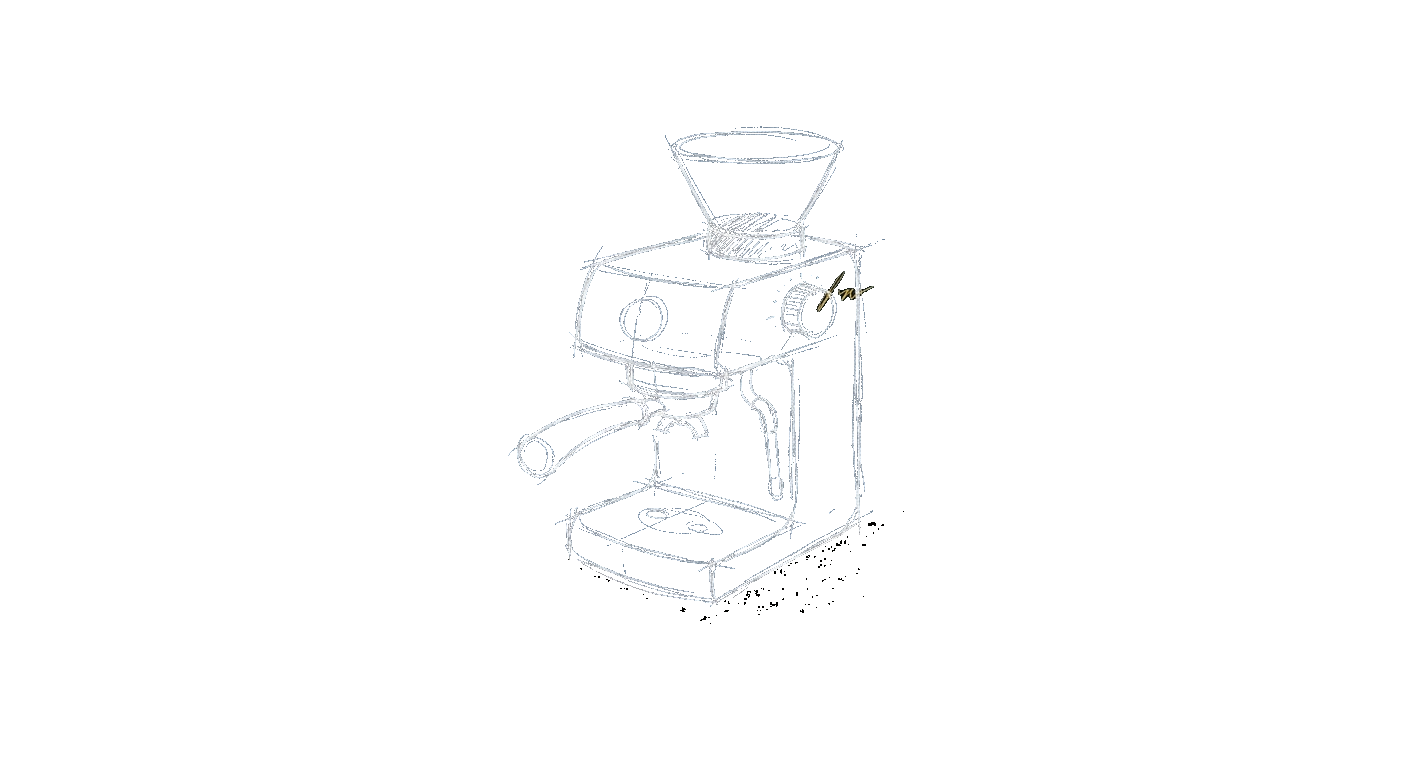
Breville Barista Express
the all-in-one starter kit
4.3out of 5The Barista Express combines a grinder, tamper, and dual boiler in one unit, perfect for someone who wants everything without extra countertop clutter. Its built-in grinder is convenient but not as precise as a standalone, and the machine takes up more space.
Price range: $$$
Check price on Amazon →| Award | Model | Our score | Price | Best for | |
|---|---|---|---|---|---|
| Best overall | Breville Bambino Plus | 4.7 / 5 | $$ | Anyone who wants fast, reliable espresso with minimal fuss, especially if you drink milk d | Check price → |
| Runner-up | Gaggia Classic Pro | 4.4 / 5 | $$ | Hobbyists who enjoy hands-on espresso and plan to keep their machine for years. | Check price → |
| Best value | Breville Barista Express | 4.3 / 5 | $$$ | Beginners who want a complete package and value convenience over upgradability. | Check price → |
The picks in detail
1. Breville Bambino Plus: the do-it-all default
Best overallThe Bambino Plus heats up in three seconds and delivers café-quality microfoam automatically. It’s the easiest path to great espresso though the smaller portafilter and plastic components mean it’s not as tanklike as the Gaggia.
Pros
- Consistent automatic steam wand
- Compact footprint fits small counters
- Adjustable shot volume and temperature
Cons
- portafilter means fewer aftermarket accessories
- Steam wand is slower than pro-level models
- Some plastic parts feel less durable over time
Who it’s for
Anyone who wants fast, reliable espresso with minimal fuss, especially if you drink milk drinks daily.Who should skip it
You’re a tinkerer who wants to mod every part or insist on a full 58mm commercial portafilter.2. Gaggia Classic Pro: the enthusiast’s workhorse
Runner-upThe Classic Pro is built like a tank with a commercial-style group head and a three-way solenoid valve. It demands practice to dial in, but it’s repairable, moddable, and capable of excellent shots once you learn its quirks.
Pros
- Sturdy metal construction and commercial group head
- Standard portafilter for easy upgrades
- High moddability (PID, OPV adjustment)
- Three-way solenoid reduces mess and helps dry pucks
Cons
- Prone to temperature surfing without a PID mod
- Steam wand is functional but basic
- No pressure gauge included
Who it’s for
Hobbyists who enjoy hands-on espresso and plan to keep their machine for years.Who should skip it
You want push-button convenience or need consistent milk frothing straight out of the box.3. Breville Barista Express: the all-in-one starter kit
Best valueThe Barista Express combines a grinder, tamper, and dual boiler in one unit, perfect for someone who wants everything without extra countertop clutter. Its built-in grinder is convenient but not as precise as a standalone, and the machine takes up more space.
Pros
- Integrated conical burr grinder with dose control
- Built-in tamper and adjustable grind size
- Dual boiler allows simultaneous brew and steam
- Clean, compact design for its all-in-one capabilities
Cons
- Grinder retention and clumping can be an issue
- Larger footprint than separate units
- Harder to repair if a single component fails
Who it’s for
Beginners who want a complete package and value convenience over upgradability.Who should skip it
You already own a quality grinder or plan to buy one separately, the built-in grinder will bottleneck your shots.Best for specific needs
Best for speed and convenience
If your morning routine is tight, the Breville Bambino Plus turns on and is ready to pull a shot in under five seconds. Its automatic steam wand consistently textures milk with little effort, so you can produce flat whites or lattes quickly without babysitting the machine. It’s the clear choice for busy households that value efficiency. Our pick: Breville Bambino Plus.
Best for learning and customization
The Gaggia Classic Pro is a blank canvas for espresso enthusiasts. Its commercial-grade group head and standard 58mm portafilter let you upgrade baskets, add a pressure gauge, or install a PID controller. While it demands patience and practice, the payoff is a machine that can grow with your skills and produce shots that rival much pricier setups. Our pick: Gaggia Classic Pro.
Best for a streamlined all-in-one setup
The Breville Barista Express bundles a grinder, tamper, and dual-boiler espresso machine into one tidy package. It’s ideal for someone who wants to start making espresso without buying separate gear or learning multiple workflows. The integrated grinder is adequate for most beans, and the built-in tamper reduces mess for consistent puck prep. Our pick: Breville Barista Express.
Our verdict
If you want the best balance of speed, ease, and milk quality the Breville Bambino Plus is the clear winner, it’s nearly foolproof. But if you’re willing to trade automation for a tanklike build and a more hands-on learning experience, the Gaggia Classic Pro offers unbeatable value and upgradability. And for those who prefer a self-contained kit without extra countertop clutter, the Breville Barista Express remains a solid, convenient choice. Choose the one that fits your workflow and you’ll be pulling great shots at home for years.
Frequently asked questions
Can you really pull good espresso on a machine under $500?
Yes. Paired with a decent grinder and fresh beans, machines in this range produce genuinely tasty espresso. Their real limits are steam power and temperature stability, not whether the shot can taste good. Most home baristas never outgrow a well-chosen sub-$500 machine.
Should I buy the machine or the grinder first?
The grinder, almost always. Grind consistency drives extraction more than the boiler does, so a great grinder feeding a modest machine beats a great machine fed by a poor grinder. Budget for the grinder before you spend up on the machine.
What is the difference between a single boiler and a thermoblock machine?
A thermoblock heats water on demand and warms up fast but can be less stable shot to shot; a single boiler holds a reservoir of hot water for steadier temperature but takes longer to switch between brewing and steaming. Both pull good shots at this price; it mostly affects workflow and milk steaming.
Do I need a machine with a PID at this price?
It is a nice-to-have, not a requirement. A PID holds brew temperature more precisely, which helps consistency, but plenty of excellent sub-$500 machines have no PID and still make great espresso. Spend the money on a better grinder before chasing a PID.
Is a 58mm portafilter worth holding out for?
If you can get one in budget, yes. The 58mm size is the commercial standard, so baskets, tampers, and accessories are plentiful and cheap, and the wider puck can distribute more evenly. That said, several great compact machines use smaller portafilters and still perform well.