Espresso machine buying guide
Updated June 2026Independently researchedNo paid placement.
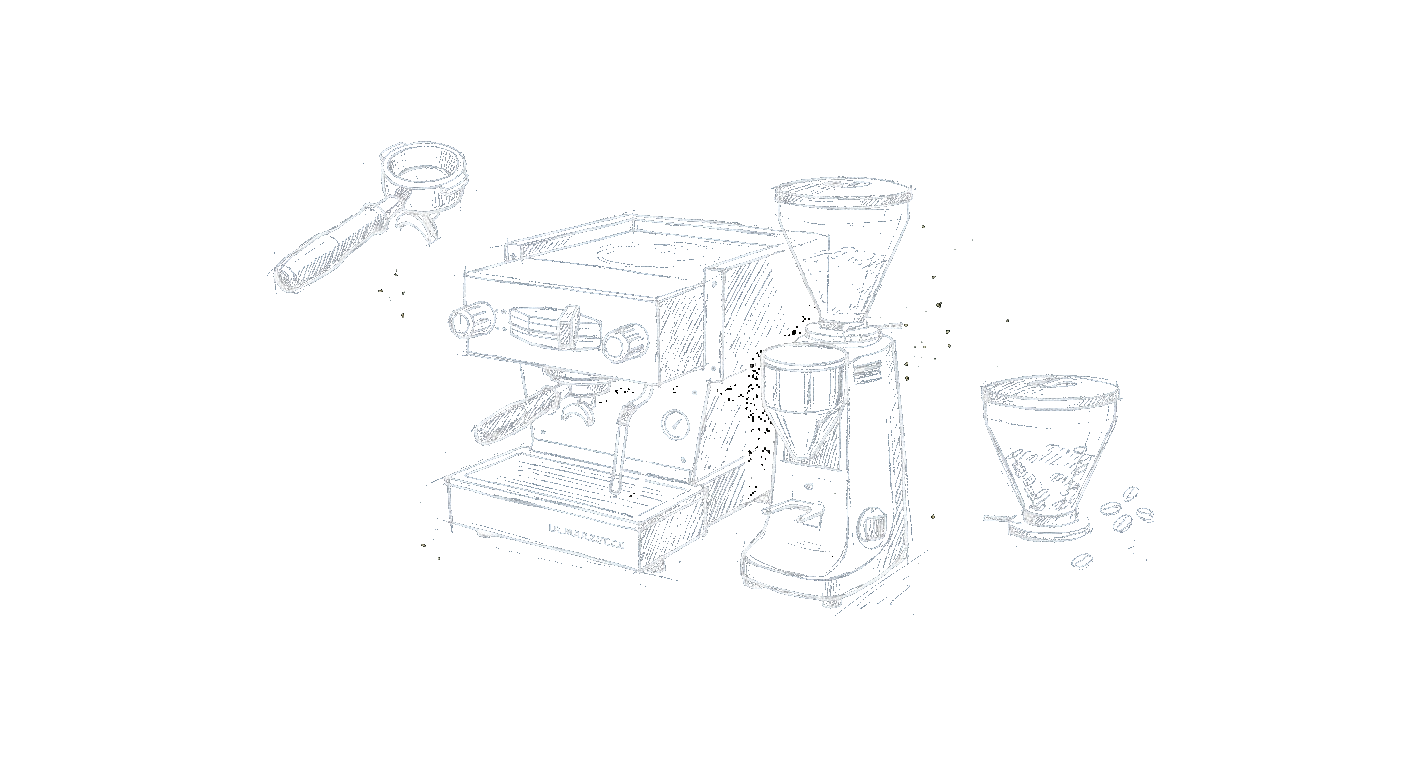
Before you even look at espresso machines, spend your budget on a capable burr grinder. Consistent, adjustable grind is what actually determines shot quality, the machine itself mostly needs to deliver stable water temperature and sufficient pressure. A so-so machine with a great grinder will outperform a top-tier machine with a cheap blade grinder every time.
Why the grinder matters more than the machine
A home espresso setup is only as good as its grinder. The machine’s job is to push hot water through a compacted puck of coffee, but if the grind size varies wildly or produces too many fines, you’ll get channeling, sour shots, or bitterness regardless of the machine’s pedigree. Owners of popular home setups consistently report that upgrading from a blade grinder to a decent burr grinder transformed their results, even on entry-level machines. Look for a grinder with stepless or fine-step adjustment specifically for espresso. Many enthusiast forums recommend allocating roughly equal budget between grinder and machine, or even weighting the grinder slightly higher. A good grinder will also serve you well if you later upgrade the machine, so it’s truly the foundation of a long-term setup.
What actually makes a good espresso machine?
The two most critical factors are temperature stability and consistent pressure. A machine that can maintain a steady water temperature, ideally near 200°F. through the entire shot will extract evenly. Cheaper machines often suffer from temperature drops or spikes that lead to sour or bitter shots. Pressure should be around nine bars at the group head; many machines claim 15 or 20 bars from an unregulated pump, but that’s marketing fluff. What matters is the pressure actually reaching the coffee. Build quality matters for longevity. Brass or stainless steel boilers are more durable than aluminum, and machines with a dedicated thermoblock for steaming can switch temperatures faster. However, a well-reviewed single-boiler machine can still make excellent espresso if you’re patient with temperature surfing between brewing and steaming.
Single boiler, heat exchanger, or dual boiler, which one for you?
Single-boiler machines heat one boiler that you switch between brew and steam temperatures. They are typically the most affordable and compact, but require a wait between pulling a shot and steaming milk. If you mostly make straight espresso or only steam one or two milk drinks at a time, a single boiler is a perfectly good starting point. Heat exchangers use a single boiler that stays at steam temperature while a tube of cooler water runs through it for brewing. They allow simultaneous brewing and steaming, a big time-saver for multiple milk drinks, but can be trickier to temperature-manage. Dual-boiler machines have separate boilers for brew and steam, offering precise control and instant switching, but they cost significantly more and take up more counter space. Your choice should reflect how many milk drinks you make and how much you value workflow speed.
Manual vs semi-automatic vs automatic: what’s the difference?
Manual lever machines require you to control the pressure by hand, giving you complete control over pre-infusion and extraction. They can produce remarkable shots but have a learning curve and are less common. Semi-automatic machines use a pump to deliver water at a set pressure; you start and stop the shot manually. These are the most popular among home enthusiasts because they offer good control without being overly finicky. Fully automatic machines grind, dose, tamp, and pull the shot with a button press. Some even steam milk automatically. They are convenient but often sacrifice shot quality because their built-in grinders are lower-quality and you have less control over dose and tamp. Most coffee forums agree: avoid super-automatics if your main goal is exceptional espresso. They shine for quick, consistent milk drinks in a busy household.
Must-have features vs nice-to-have
A three-way solenoid valve is a must for clean, dry pucks and easier cleanup, it releases pressure after the shot stops so the puck doesn’t stay wet. A pressure gauge can be helpful for diagnosing puck prep, but many excellent machines omit it; you can learn to dial in by taste alone. A PID controller (proportional-integrating-derivative) for temperature stability is a genuine upgrade that many mid-range and higher machines include. It keeps water temperature within a degree or two, which directly improves shot consistency. Nice-to-haves include a shot timer, a rotary pump (quieter and more durable than vibratory), and programmable pre-infusion. None of these are essential for great espresso, but they can simplify your workflow. Don’t let flashy features distract you from the basics: stable temperature, decent boiler size, and a well-made group head.
Frequently asked questions
How much should I spend on my first espresso setup?
A solid entry-level setup, a capable burr grinder and a well-reviewed single-boiler machine, typically costs a few hundred dollars in total. Many owners recommend starting around that range and avoiding the cheapest all-in-one units, which often cut corners on both grinder and boiler quality.
Are pod machines a good alternative to traditional espresso machines?
Pod machines are convenient and very consistent, but they can’t match the shot quality of a decent semi-automatic machine with fresh beans. They also limit your choice of coffee and create more packaging waste. If your priority is speed over quality, a pod machine may suit you, but it won’t teach you espresso fundamentals.
Do I need a machine with a steam wand for milk drinks?
If you plan to make lattes, cappuccinos, or flat whites, a steam wand is essential. Entry-level machines often have a wand that’s either a plastic panarello (which injects air poorly) or a basic stainless steel wand. Look for a machine with a wand that can produce fine microfoam, owner reviews will tell you which models have good steaming capability.
Should I get a machine with a built-in grinder?
Built-in grinders are convenient but almost always inferior to a separate burr grinder. They have fewer adjustment steps and are harder to clean. Most experienced home baristas recommend buying a separate grinder and machine for better control and easier upgrades later.
Are refurbished espresso machines a good deal?
Refurbished machines from reputable sellers can offer excellent value, especially from brands known for serviceability. Just check that the warranty covers at least a year and that the refurbishment included replacing seals and gaskets. Owner experiences vary, so read recent reviews before buying.