Best pressure washer hoses
Updated June 2026Independently researchedNo paid placement.
For most home users, a 50‑foot hose with a 3/8‑inch diameter made from reinforced rubber or polyurethane offers the best balance of reach, water flow, and durability; shorter or narrower hoses save money but add kinking and pressure loss, while longer or wider ones reduce portability without major flow gains for typical electric washers.
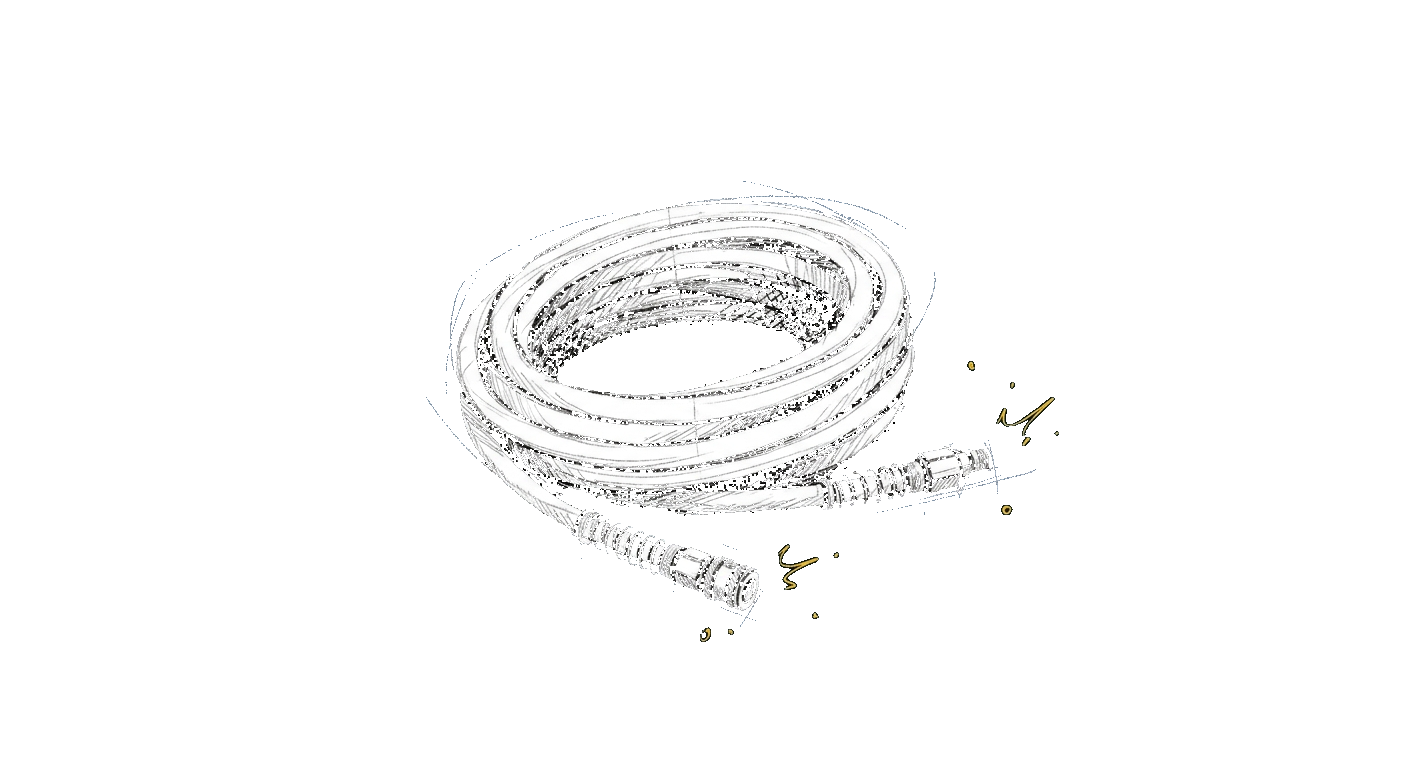
What length pressure washer hose do I need?
Hose length directly affects convenience and performance. A 25‑foot hose keeps you close to the machine but forces frequent moves for larger driveways or siding. A 50‑foot hose covers most residential jobs without a noticeable pressure drop, most consumer electric washers deliver their rated flow through that distance. Hoses longer than 50 feet (like 75 or 100 feet) can reduce cleaning force if your machine’s pump and flow rate aren’t robust, and they introduce more friction loss. For gas‑powered washers with higher flow (2.5 GPM or more), a 50‑foot hose is still the sweet spot; moving to 75 feet often requires stepping up to a 3/8‑inch diameter to maintain decent pressure. The trade‑off: longer hoses are heavier and harder to coil, so think about your typical cleaning radius before buying extra length you rarely use.
3/8‑inch vs 1/4‑inch diameter: which is better?
Diameter matters more than many buyers realize. A 1/4‑inch hose is lightweight and very flexible, but it restricts water flow, causing a meaningful pressure drop, especially with machines that push 1.5 GPM or more. It works acceptably for small electric pressure washers and quick spot cleaning, but expect the spray to soften when you’re more than a few feet from the gun. A 3/8‑inch hose allows roughly twice the volume of water to pass, so your pressure washer can deliver its rated cleaning force down the full length of the hose. The downside is weight and stiffness: 3/8‑inch rubber hoses are noticeably heavier and less cooperative to coil. For most residential gas washers and mid‑range electric units, the 3/8‑inch size is the practical standard. A few commercial or high‑flow machines use 1/2‑inch, but for home use that adds bulk without real benefit.
Rubber vs polyurethane vs PVC: which hose material lasts longest?
Rubber hoses are the gold standard for durability. They resist abrasion, remain flexible in cold weather, and shrug off UV exposure far better than alternatives. The trade‑off is weight and cost, rubber hoses are heavy and can cost two to three times as much as basic PVC ones. They’re the best bet if you store the hose outdoors or use it frequently on rough concrete. Polyurethane hoses are lighter than rubber, stay flexible, and resist kinking better than PVC, but they can be more expensive than PVC while not quite matching rubber’s abrasion resistance. They excel when weight and ease of handling are top priorities, such as for portable electric washers. PVC hoses are the most budget‑friendly option and work fine for occasional light use, but they stiffen in cold, kink easily, and degrade faster under UV. If you leave a PVC hose in the sun for a season, you’ll likely see cracks and leaks.
Will any pressure washer hose fit my machine?
Not all hoses are universal. Most consumer pressure washers use a M22‑14 male thread on the gun end and a similar M22‑14 female on the pump side, but the style varies: some are 14 mm, others 15 mm, and adapters are common. Quick‑connect fittings also come in different sizes and configurations. Before buying, check your existing hose and wand connections. If your machine uses a proprietary snap‑on system (common on some brands), you’ll need an adapter or a hose specifically made for that brand. Many aftermarket hoses ship with a set of brass quick‑connect fittings and sometimes a couple of adapters to bridge M22‑14 and M22‑15. Still, it’s worth confirming thread pitch and diameter, forcing wrong threads damages both the hose and the pump outlet. A small bag of adapters costs very little and can save a frustrating return.
How do I prevent my hose from kinking?
Kinking is the top complaint among pressure washer owners. The most effective solution is a hose made from rubber or a layered polyurethane with a memory‑retardant core, these materials resist sharp folds that block water flow. Braided or wire‑reinforced hoses also drastically reduce kinking; the reinforcement keeps the tube from collapsing under sharp bends. Proper coiling technique matters too. Always coil the hose in large loops, not tight figure‑eights, and avoid pulling the hose around sharp corners. A hose reel or hanger helps store it without crimps. If you’re on a budget, a simple plastic reel adds just a few dollars and prevents the kind of storage kinks that permanently weaken PVC hoses.
Are reinforced or braided hoses worth the extra cost?
For anyone who uses a pressure washer more than a few times a year, yes. Reinforced hoses, typically with a braided nylon or polyester jacket over a rubber or PU core, offer much higher burst strength and resist abrasion and punctures far longer than non‑reinforced ones. They also tend to stay flexible even in cooler temperatures, and the braid acts as a kink barrier. The extra cost is modest compared to replacing a cheap hose every season. Standard non‑reinforced PVC hoses may burst under sustained high pressure, especially if they’re left in the sun. A good braided hose will last several years with normal care. For gas pressure washers that operate at 2,000 PSI or more, a reinforced hose isn’t a luxury, it’s a safety consideration.
Frequently asked questions
Can I use a garden hose with a pressure washer?
A standard garden hose connects to the pressure washer’s inlet, not the outlet. The high‑pressure hose runs from the unit to the gun. Garden hoses are not designed for the high pressure a washer produces and will fail catastrophically if used as a replacement for the high‑pressure hose.
How long can a pressure washer hose be before pressure drops too much?
For a typical consumer electric washer (about 1.2 GPM), a 50‑foot 1/4‑inch hose is near the practical limit. With a 3/8‑inch diameter, you can go to about 75 feet without a dramatic drop. Gas washers with higher flow can push 75 to 100 feet, but beyond that you’ll feel a clear loss of cleaning force regardless of diameter.
Why does my hose leak at the connections?
The most common cause is a missing or worn O‑ring inside the quick‑connect or threaded fitting. The O‑ring creates the seal; if it’s cracked, flattened, or absent, water will spray from the coupling. Replacing the O‑ring with a standard size (usually available in small packs) fixes most leaks. Also check that threads are not cross‑threaded or damaged.
What is the best hose for a gas pressure washer?
For gas machines, a 3/8‑inch diameter rubber hose with reinforced braiding is the most reliable choice. It handles the higher continuous pressure, resists heat from the pump, and won’t degrade as fast from UV or gasoline fumes. A 50‑foot length works well for most jobs; two shorter hoses with a coupling can be easier to store than one long hose.
Are longer hoses harder to store?
Yes. A 75‑ or 100‑foot hose is noticeably heavier and bulkier to coil. Storage options like a wall‑mounted reel or a large bucket keep it tidy, but if you have limited space, two 50‑foot hoses connected with a union are more manageable. The extra coupling adds a potential leak point, but for infrequent use it’s a practical trade‑off.
Can I repair a damaged pressure washer hose?
If the damage is a small cut or abrasion near the end, you can often cut off the damaged section and reattach the fitting using a hose clamp or a repair kit designed for that hose diameter. Cuts in the middle of the hose are hard to repair reliably because the high pressure will blow out any splice. Replacing the hose is usually safer and cheaper than risking a burst.