Best pressure washer detergents by surface
Updated June 2026Independently researchedNo paid placement.
For the best results and to avoid damaging surfaces, choose a detergent formulated for your specific surface type, concrete, vehicles, wood, or house siding. Generic dish soaps strip wax, harm plants, and can leave residues, while surface-specific cleaners lift grime safely and often include biodegradable surfactants.
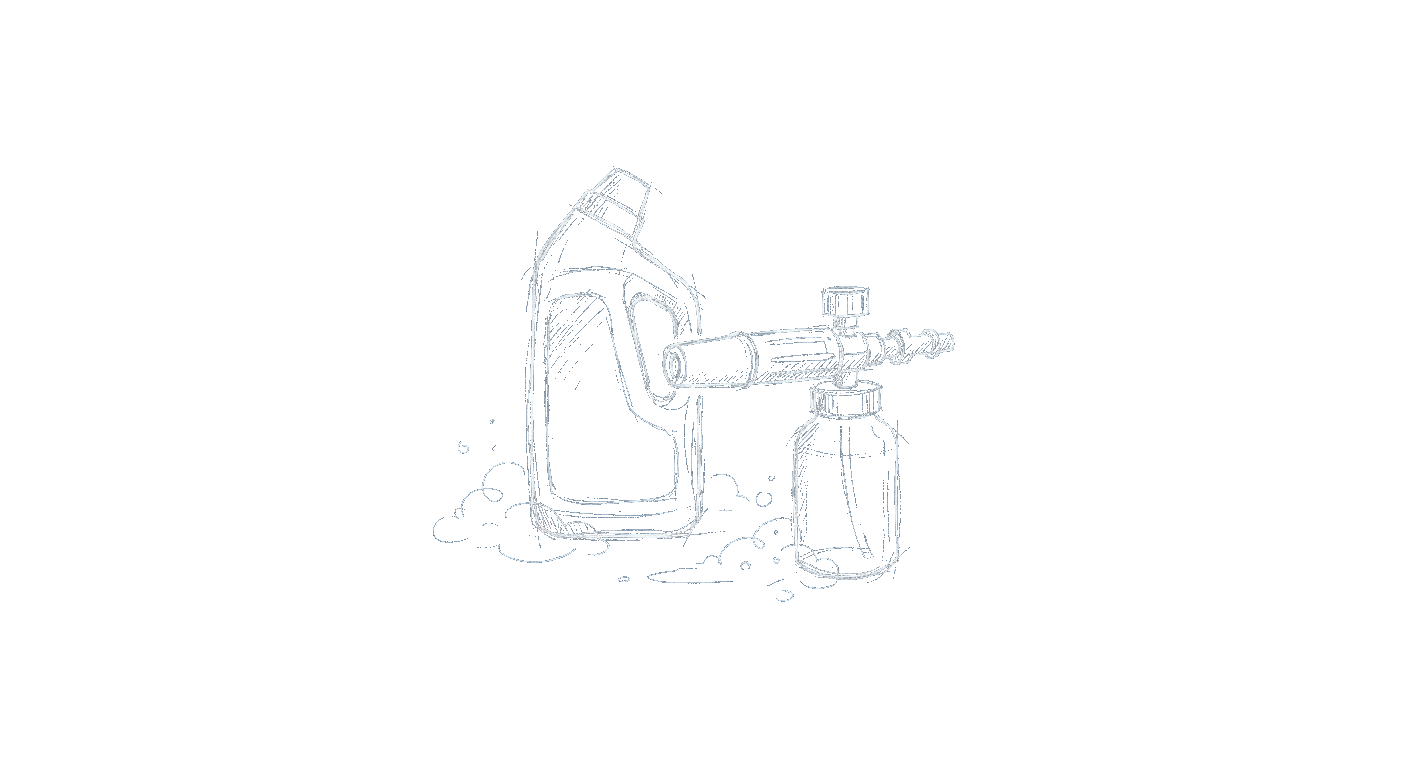
Why you should never use dish soap or generic cleaners
Laundry detergent, dish soap, and all-purpose cleaners might seem like a budget-friendly shortcut, but they carry real risks. Dish soap creates suds that can clog your pressure washer’s pump and unloader valve, leading to costly repairs. More importantly, these soaps are not pH-balanced for outdoor surfaces, they can strip sealants from your car’s clear coat, etch concrete, or leave a sticky film that attracts dirt. Surface-specific detergents use chelating agents to bond with grime and biodegrade safely into the soil. They also contain mild corrosion inhibitors for your machine’s internals. Spending a few extra dollars per gallon on a cleaner designed for the job protects both your surfaces and your equipment.
Best detergent for concrete and driveways
Concrete is porous and often stained with oil, algae, or mildew. A heavy-duty degreaser made for concrete will contain sodium hydroxide or potassium hydroxide to emulsify oil without etching the surface, plus a bleach alternative (like sodium hypochlorite at a low concentration) to kill organic growth. Look for a formula labeled “concrete cleaner” or “degreaser”. these are typically very alkaline and need to be rinsed thoroughly. Avoid anything that says “gentle” or “ph neutral” for concrete; you want a cleaner that can handle deep-set stains. Jack’s Pressure Pro or similar professional-grade brands are often recommended by contractors. Apply from the bottom up to prevent streaking, let it dwell 5–10 minutes, then rinse at high pressure.
Best detergent for cars and vehicles
For vehicles, pH-neutral or mildly alkaline detergents are essential. Car-specific pressure washer soaps are formulated to lift road grime and bug splatter without stripping wax or ceramic coatings. They produce low suds (high-pressure foam is mostly cosmetic) and rinse completely clean. Ingredients like sodium lauryl ether sulfate are common because they foam well yet leave no residue. Honeydew or foam-cannon fans can still use a car soap concentrate, but more foam does not mean more cleaning power. A gentle detergent that says “pH balanced for auto paint” and mentions wax-enhancing polymers is a safe bet. Always flush the detergent line after use with fresh water to prevent corrosion in the soap injector.
Best detergent for wood decks and fences
Wood is soft and prone to splintering if hit with harsh chemicals. Use an oxygen bleach-based deck cleaner (sodium percarbonate) instead of chlorine bleach, which can gray the wood and harm nearby plants. Oxygen bleach lifts mildew and dirt without degrading the wood fibers. You want a product sold as “wood cleaner” or “deck wash”. avoid any that list sodium hydroxide or strong solvents. Apply with a low-pressure nozzle (40° or a dedicated soap tip), let it dwell for 15–20 minutes, then rinse thoroughly with a wide fan. Never let the cleaner dry on the wood. Follow up with a wood brightener (oxalic acid) to restore the original tone before sealing.
Best detergent for house siding (vinyl, brick, stucco)
Vinyl siding typically needs a mild alkaline cleaner that cuts through mildew and dust without streaking. Many all-purpose house wash concentrates combine sodium hypochlorite (bleach) with surfactants to cling to vertical surfaces. For brick and stone, you need an acid-based cleaner only if removing efflorescence; otherwise, the same alkaline house wash works well. Be extremely careful with bleach near plants, pre-wet the foliage and garden beds before applying. Stucco is porous and can be damaged by high pH; a neutral detergent (pH around 7–8) is safest. Brands like Simple Green’s Pro Series or Krud Kutter have reliable house wash formulas that professionals use. Apply from bottom to top to prevent drips, keep the nozzle at least 12 inches from the surface, and rinse from the top down.
How to apply pressure washer detergent safely
Always use the low-pressure (soap) nozzle or a dedicated detergent injector, never the high-pressure tip. Spray detergent from the bottom of the surface upward to avoid streaking, let it dwell for the time recommended on the label (usually 5–15 minutes), and never let it dry. Rinse thoroughly with a wide fan nozzle starting at the top. Protect nearby plants, electrical outlets, and painted surfaces by covering them with plastic sheeting or wetting them first. Check your pressure washer’s manual for the correct soap-thickening ratio, too thick can clog the injector, too thin reduces cleaning power. Always flush the system with clean water after every use to prevent residue buildup.
Frequently asked questions
Can I use bleach in my pressure washer detergent?
Yes, many house-wash detergents contain sodium hypochlorite, but never use straight bleach, it will damage seals and hoses. Only use a detergent formulated for pressure washers that includes bleach at a safe concentration (usually under 5%), and always rinse the system afterward.
Do I need a foam cannon to use detergent?
No, a foam cannon is optional. Most pressure washers have a built-in soap injector that draws detergent through a siphon tube at low pressure. A foam cannon just adds more foam for visual coverage; it doesn’t improve cleaning performance.
What does “pH neutral” mean for car soaps?
pH-neutral means the detergent is close to a pH of 7, which won’t strip wax or etch paint. It’s ideal for vehicles with ceramic coatings or wax. For dirty cars, a mild alkaline (pH 8–9) is okay, but avoid anything above pH 10.
Can I use concrete cleaner on asphalt?
Avoid it. Concrete detergents are often too alkaline for asphalt and can soften the binder, causing pitting. Use a dedicated asphalt driveway cleaner or a mild degreaser specifically labeled for blacktop.
Is biodegradable detergent worth the extra cost?
Yes, especially if you’re washing near storm drains or gardens. Biodegradable detergents break down within days and don’t harm aquatic life. They usually clean just as well as conventional ones, but always check the label for “compostable” or “phosphate-free.”
Why does my detergent leave streaks?
Streaking usually means you let the detergent dry on the surface, you applied it from the top down, or you used too much concentrate. Always apply from the bottom up, work in manageable sections, and rinse before the foam dries.