How to start a pressure washing business
Updated June 2026Independently researchedNo paid placement.
To start a pressure washing business, buy a commercial-grade gas or belt-drive electric unit (not a homeowner model), invest in a surface cleaner and soft-wash kit, get liability insurance, and practice on flatwork before tackling two-story houses. Most beginners earn their investment back within a few jobs if they focus on driveways, patios, and house siding.
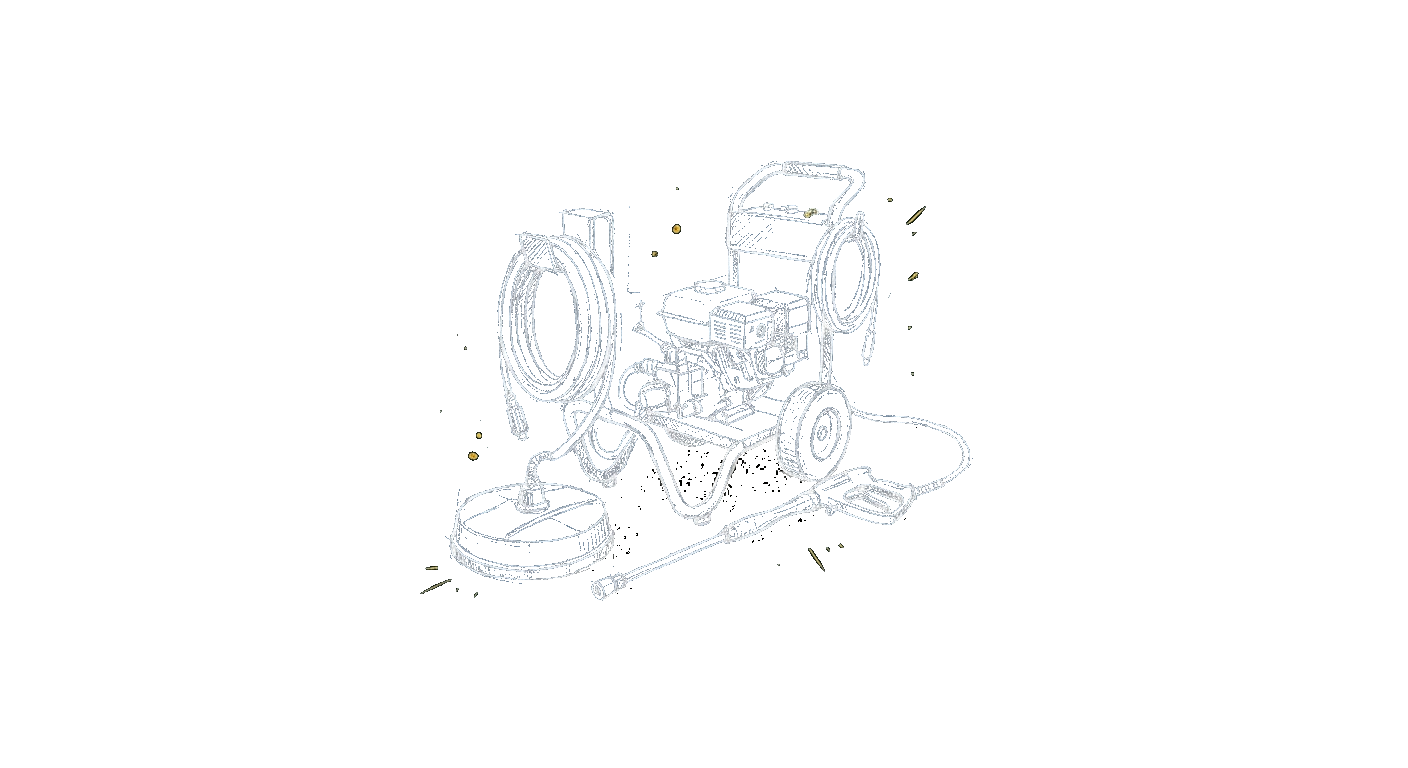
Commercial vs. homeowner pressure washers: what you really need
A residential electric washer you grab from a big-box store is fine for a single driveway, but it will burn out fast under daily use. For a business, you want a machine with a triplex plunger pump and a belt-drive or direct-drive gas engine, or a high-end electric with a continuous-duty motor. These units deliver higher flow (gallons per minute) and pressure (pounds per square inch) consistently, and the parts are easier to service. Belt-drive gas models are quieter and put less strain on the engine, but they cost more upfront. Direct-drive is lighter and cheaper but louder and vibrates more. The best choice depends on your typical job. If you’ll mostly do residential flatwork and house washes, a mid-range gas hot-water unit can remove oil stains faster, but cold-water is fine for most jobs. Avoid any pressure washer with a wobble or axial pump, those are homeowner-only. You do not need the most expensive machine on the market to start. Many successful operators begin with a reliable gas unit in the few-hundred-dollar range and upgrade once they have a steady client list. The key is buying from a brand with dealer support and available parts, not a no-name online special.
Essential equipment beyond the pressure washer
A bare machine alone won’t get you far. You need a surface cleaner, a spinning bar attachment, to clean concrete driveways and patios without leaving tiger stripes. A 15- or 16-inch model is a good all-rounder. You also need a soft-wash system for roofs, gutters, and delicate siding: a downstream injector or a dedicated 12-volt pump that mixes bleach and water at low pressure. Other must-haves: a pair of stiff-bristled brushes, a telescoping wand with multiple tips, a 50- or 100-foot hose rated for your machine’s pressure, and a set of quick-connect fittings and spare o-rings. Don’t forget personal protective gear: chemical-resistant gloves, safety glasses, and rubber boots. For gas-powered machines, earplugs are non-negotiable. Water supply is another consideration. You’ll often need a large buffer tank (very roughly 50-100 gallons) on your trailer or truck bed so you aren’t relying on the customer’s spigot pressure and flow rate. A dedicated water tank also lets you use a chemical metering system more consistently.
Common service jobs and how to price them
The most accessible jobs for a beginner are driveway and patio cleaning (concrete and brick), house siding washes (vinyl, brick, stucco), and fence or deck restoration. Driveways are often the first lead because they are visible and the before/after is dramatic. House washing requires care around windows, vents, and electrical boxes, but it pays well. Pricing varies widely by region, so talk to local operators or check online listings to get a ballpark. A typical driveway might be priced per square foot, with a minimum charge that covers your time to set up and break down. Many companies charge a flat rate for standard driveways and add for stairs or tough stains. House washes are usually priced by number of stories and linear foot, or a flat fee per side. Soft-wash jobs for roofs and gutters command higher rates because of the chemical cost and safety risk. You should never price solely by machine time, account for chemical mixing, washing, rinsing, and cleanup. Always provide a written estimate before starting, and collect payment after the job is done to satisfaction.
Safety, insurance, and legal requirements
Pressure washing is hazardous. Water at high pressure can cut skin, knock you off a ladder, or damage property. Always wear steel-toed boots and non-slip gloves, and never point the wand at people or pets. Use a ground-fault circuit interrupter (GFCI) if you’re running an electric machine near water. For gas units, never refuel while the engine is hot. Liability insurance is not optional. A single broken window or damaged roof could cost thousands. Expect to pay a few hundred dollars per year for a basic general liability policy when first starting, but shop around as rates vary. Many homeowners associations and commercial contracts require proof of insurance before you can work. Check your state and local regulations. Some areas require a business license, a sales tax permit, or even a wastewater-compliance plan if you’re discharging soap into storm drains. In many places it is illegal to let chemical runoff enter waterways, so you may need to collect and dispose of effluent. Talk to your local small business development center or a contractor association to learn the rules.
Getting your first clients and scaling up
Your best initial marketing is visible work. After you clean your own driveway, photograph it and ask neighbors if they want the same. Offer a first-job discount to three or four nearby homes. Word-of-mouth from one satisfied homeowner can bring you five more leads. Use a simple website or free Google listing with clear before/after photos and your service area. Social media platforms like Nextdoor and Facebook Marketplace are excellent for finding local customers. Post a clear description of what you do, your pricing structure, and a contact number. Avoid spamming groups, join, participate, and offer value. Door-knocking (with a polite approach and a flyer) still works in many neighborhoods. As you grow, reinvest profits into a second machine, a trailer organizer, or better chemicals. Many solo operators switch from one job a day to three by streamlining their setup and hiring a helper. Do not skip business basics: keep a simple ledger of expenses and income, set aside taxes, and get a separate bank account for your business.
Frequently asked questions
How much money can you make starting a pressure washing business?
Most beginners gross a few hundred to a thousand dollars per week depending on how many jobs they book and their local rates. After expenses (fuel, chemicals, insurance, equipment payments), a solo operator can easily net minimum wage or better. The income scales quickly once you build a reputation and optimize your workflow.
Do I need a hot water pressure washer to start?
No. Cold water is sufficient for most residential jobs like concrete, siding, and decks. Hot water helps remove oil and grease stains faster, which is useful for commercial or auto-detailing work, but it adds cost and complexity. Many people start cold and add a hot-water unit later if demand requires it.
Is pressure washing dangerous for plants and pets?
Yes, if you use harsh chemicals like sodium hypochlorite (bleach) at high concentrations. Protect landscaping by pre-wetting plants, covering them with plastic, or using a gentle downstream dilution. Keep pets away from wet surfaces until they are rinsed and dry. A responsible operator always takes precautions.
What kind of insurance do I need?
General liability insurance is the minimum. It covers property damage and bodily injury caused by your work. Some clients may also require workers’ compensation if you hire employees. Umbrella policies are available for larger operations, but a simple GL policy costing a few hundred dollars a year is enough to start.
How do I avoid damaging siding or windows?
Use a wide fan tip (40 or 60 degree) at a safe distance, start from the bottom and work up, and never use a zero-degree or turbo nozzle on any surface. For windows, keep the spray at least two feet away or cover them with plastic. Always test an inconspicuous area first.
Can I run a pressure washing business from a car or do I need a truck?
You can start with a car if you use a compact electric pressure washer and only carry a small buffer tank and hose reel. But a pickup or SUV is more practical because it lets you carry a larger water supply, a surface cleaner, ladders, and chemicals safely. Many people upgrade to a trailer setup within a few months.