Best office chairs for back pain
Updated June 2026Independently researchedNo paid placement.
The Steelcase Leap V2 is the best office chair for back pain because of its highly adjustable lumbar system that lets you dial in support precisely where your spine needs it most.
If you prefer a mesh seat that stays cool, the Herman Miller Aeron is a strong runner-up; for the most advanced arm and recline adjustments, consider the Steelcase Gesture.
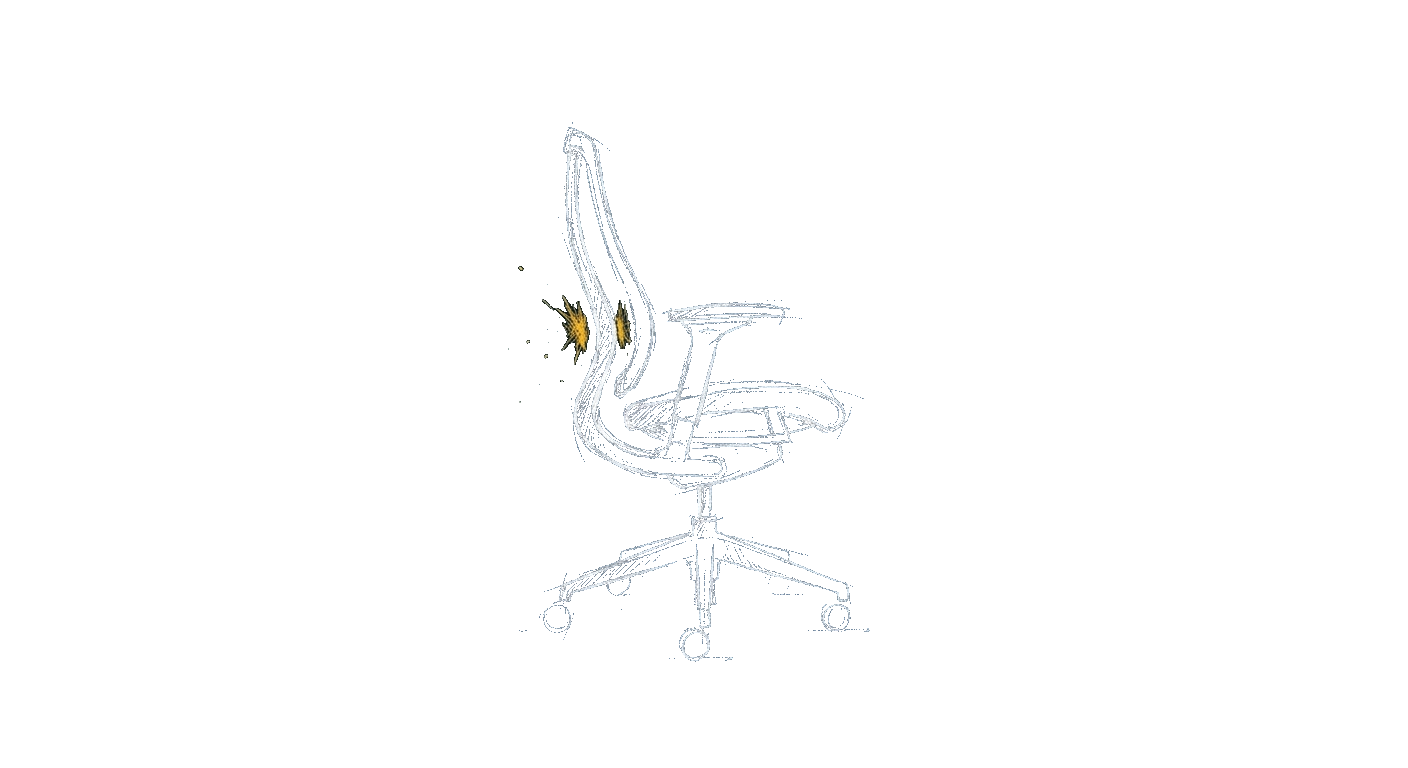
An office chair that doesn’t support your lower back can turn eight hours of work into a source of chronic pain. The best chairs for back pain go beyond basic padding, they let you tune lumbar height, depth, and firmness so the chair conforms to your spine, not the other way around. How to choose: look for independent lumbar adjustment, a seat pan that fits your thigh length, and recline options that let you change positions without losing support. Every chair in this roundup has been thoroughly reviewed by ergonomics experts and has a strong reputation among people who sit for long hours with back issues. We’ve ranked them based on lumbar adjustability, build quality, and owner-reported relief from lower-back strain. None of these picks rely on a simple lumbar pillow, they each offer built-in, movable support that makes a real difference.
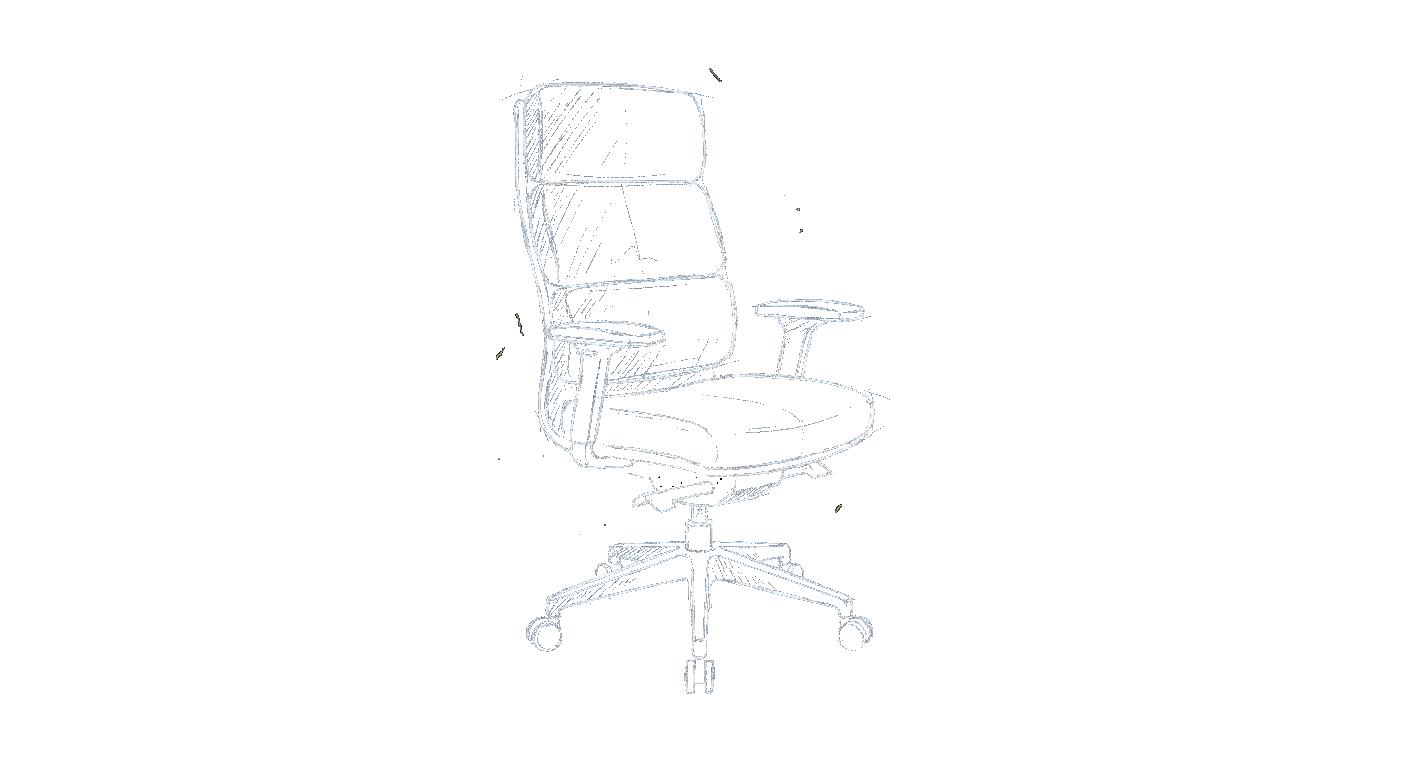
Steelcase Leap V2
the targeted lumbar specialist
4.8out of 5The Leap V2 remains the gold standard for people who need precise lumbar adjustment. Its independent back-height and lumbar-depth controls let you place support exactly where your curve dictates. It’s not the flashiest chair, but year after year, owners with back pain say it delivers the most relief.
Price range: $$$
Check price on Amazon →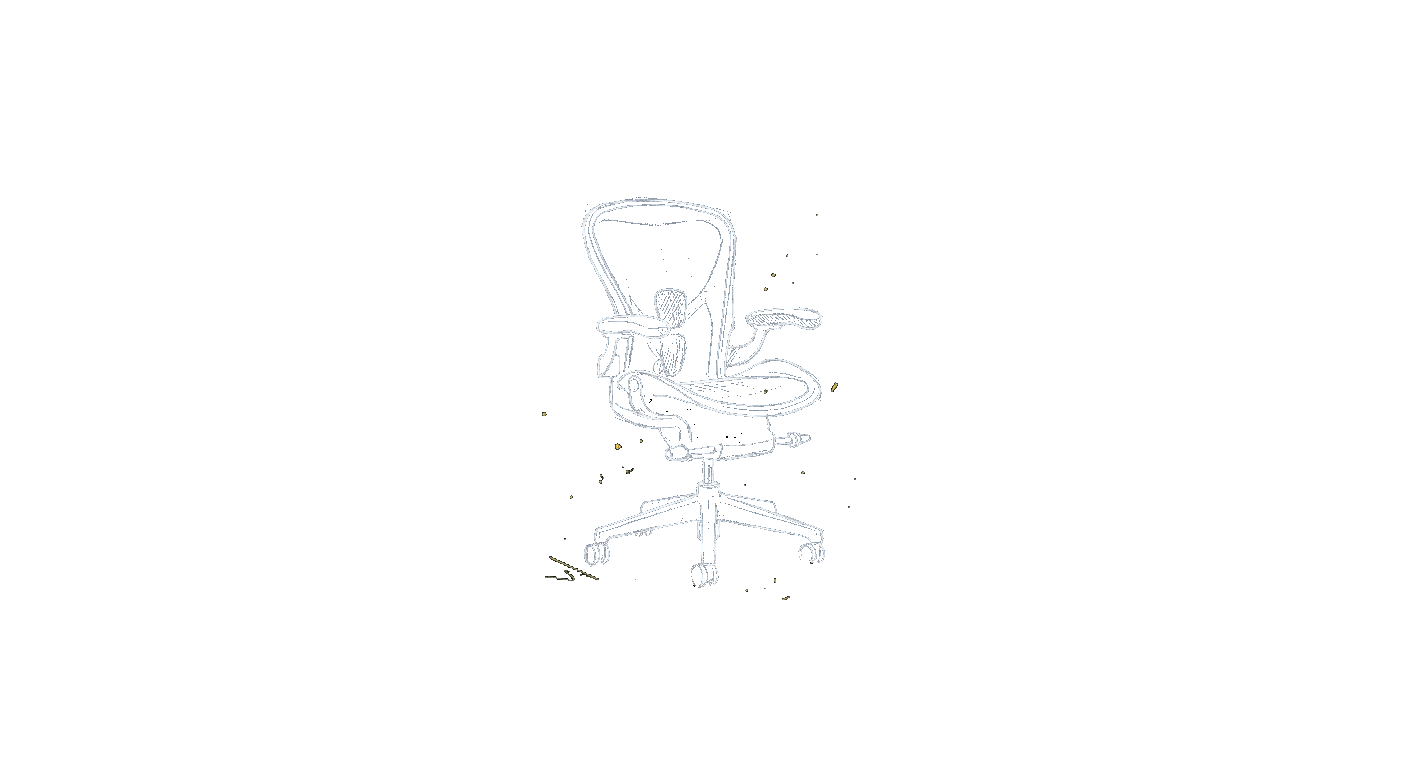
Herman Miller Aeron
the breathable ergonomic icon
4.7out of 5The Aeron’s mesh seat and back keep you cool while its patented PostureFit sacral support stabilises your pelvis and lower back. It’s less customisable than the Leap in the lumbar zone, but for many people its gentle, supportive curve works beautifully right out of the box. The three size options (A, B, C) help ensure a proper fit.
Price range: $$$
Check price on Amazon →Steelcase Gesture
the ultimate all-motion chair
4.6out of 5The Gesture shines with its 360-degree armrests that mimic the way you naturally move your elbows. Its four-point back-support system handles everything from upright typing to reclining, but its lumbar adjustment is less precise than the Leap’s. It’s a superb chair for people who change postures constantly, though back-relief shoppers should test it carefully.
Price range: $$$$
Check price on Amazon →| Award | Model | Our score | Price | Best for | |
|---|---|---|---|---|---|
| Best overall | Steelcase Leap V2 | 4.8 / 5 | $$$ | Anyone with chronic lower-back pain who wants to dial in lumbar support down to the millim | Check price → |
| Runner-up | Herman Miller Aeron | 4.7 / 5 | $$$ | Those who work in warm environments or tend to overheat, and who get along well with a fix | Check price → |
| Best value | Steelcase Gesture | 4.6 / 5 | $$$$ | Professionals who frequently switch between tasks (typing, phone, reclining) and want arm | Check price → |
The picks in detail
1. Steelcase Leap V2: the targeted lumbar specialist
Best overallThe Leap V2 remains the gold standard for people who need precise lumbar adjustment. Its independent back-height and lumbar-depth controls let you place support exactly where your curve dictates. It’s not the flashiest chair, but year after year, owners with back pain say it delivers the most relief.
Pros
- Independent lumbar height and depth adjustment for pinpoint support
- Flexible backrest that moves with you, reducing pressure on the spine
- Seat depth and tilt-limiter adjustments that accommodate a wide range of body sizes
- Industry-leading 12-year warranty from Steelcase
Cons
- Seat foam can feel firm to some users; break-in period of a few weeks is common
- Armrests are well-built but lack the full 3D articulation of the Gesture
- Premium price point may be out of reach for budget shoppers
Who it’s for
Anyone with chronic lower-back pain who wants to dial in lumbar support down to the millimeter.Who should skip it
You prefer a breathable mesh seat and are willing to trade some lumbar adjustability for cooler airflow.2. Herman Miller Aeron: the breathable ergonomic icon
Runner-upThe Aeron’s mesh seat and back keep you cool while its patented PostureFit sacral support stabilises your pelvis and lower back. It’s less customisable than the Leap in the lumbar zone, but for many people its gentle, supportive curve works beautifully right out of the box. The three size options (A, B, C) help ensure a proper fit.
Pros
- Suspension mesh breathes extremely well, preventing heat buildup during long sits
- PostureFit support targets the pelvis and lower spine without a hard pressure point
- Forward tilt mechanism encourages active sitting and reduces disc load
- Exceptional resale value and durability – many Aerons last 15+ years
Cons
- Fixed lumbar curve cannot be repositioned up or down; some users need more adjustability
- Hard plastic frame edges can press into thighs for taller or larger users
- No headrest option from the factory, which may be an issue for people with neck pain
Who it’s for
Those who work in warm environments or tend to overheat, and who get along well with a fixed but well-shaped lumbar support.Who should skip it
You need to move the lumbar support up or down to match a specific curve – the Aeron’s support height is not adjustable.3. Steelcase Gesture: the ultimate all-motion chair
Best valueThe Gesture shines with its 360-degree armrests that mimic the way you naturally move your elbows. Its four-point back-support system handles everything from upright typing to reclining, but its lumbar adjustment is less precise than the Leap’s. It’s a superb chair for people who change postures constantly, though back-relief shoppers should test it carefully.
Pros
- Armrests pivot, slide, and rotate in ways no other chair matches, reducing shoulder strain
- Core seat and back move together, supporting a wide range of sitting positions
- Excellent build quality and materials (aluminum base, steel frame)
- Smooth recline with adjustable tension that stays consistent throughout the range
Cons
- Lumbar support is less tunable – only a firm/soft adjustment, not independent height
- Very high price, even compared to the Leap and Aeron
- Seat cushion shape can feel restrictive for people with wider hips
Who it’s for
Professionals who frequently switch between tasks (typing, phone, reclining) and want arm support that follows every move.Who should skip it
Your primary need is deep, customisable lumbar fine-tuning – the Gesture is not as adjustable in that regard as the Leap V2.Best for specific needs
Best for customisable lumbar support
If you need to tweak both the height and the depth of your lower-back support, the Steelcase Leap V2 is unmatched. Its lumbar mechanism slides up and down plus pushes in and out, so you can match the natural curve of your spine precisely. Many owners report that this adjustability is the single feature that finally eliminated their persistent lower-back ache. Our pick: Steelcase Leap V2.
Best for all-day breathable support
The Herman Miller Aeron’s Pellicle mesh keeps air moving around your back and seat, preventing sweat and heat buildup during marathon work sessions. Its sacral support gently cradles the pelvis, which reduces the tendency to slump. This makes it an ideal choice for people who dislike foam chairs or work in a warm office. Our pick: Herman Miller Aeron.
Best for dynamic movement and arm flexibility
The Steelcase Gesture encourages you to shift positions naturally by letting the backrest and seat follow your movement. Its 360-degree armrests allow your elbows to stay supported whether you’re typing, reading, or leaning back. This chair is especially helpful if your back pain stems from staying locked in one posture all day. Our pick: Steelcase Gesture.
Our verdict
If your budget allows, we strongly recommend the Steelcase Leap V2 for anyone whose primary concern is lower-back pain. Its lumbar adjustability has a track record of delivering relief that few other chairs can match. If you prefer a breathable mesh seat and get along with a fixed but well-shaped lumbar curve, the Herman Miller Aeron is a close second. And if you want the ultimate freedom of motion and the best armrests on the market, the Steelcase Gesture is worth every dollar. Buy from an authorised dealer to ensure warranty coverage, and always try a chair for at least 30 days if possible – back pain is personal, and what works for one person may not work for another.
Frequently asked questions
What kind of office chair is best for lower back pain?
One with adjustable lumbar support you can position to fill the curve of your lower back, plus seat-depth and recline adjustment so your spine stays supported as you move. A chair that encourages slight, frequent movement (good tilt) tends to ease back pain more than a rigid one that locks you in one position.
Does lumbar support actually help back pain?
For many people, yes, proper lumbar support maintains the natural inward curve of the lower spine and reduces the slouch that strains discs and muscles. It works best when it’s adjustable, so you can match it to your height and the depth of your own lower-back curve rather than a fixed bump.
Should I recline or sit upright to protect my back?
A slight recline, around 100 to 110 degrees, often loads the spine less than bolt-upright sitting because the backrest shares some of your weight. The bigger win is movement: shifting position and reclining periodically beats holding any single posture for hours, even a textbook-perfect one.
Can the right chair fix my back pain on its own?
It helps a lot but isn’t a cure by itself. A supportive, well-adjusted chair removes a major daily aggravator, but movement breaks, correct desk and monitor height, and overall activity matter too. If pain is persistent or severe, treat the chair as one part of a plan and see a professional.
Is a kneeling or saddle chair better for back pain?
They suit some people by opening the hip angle and encouraging an upright pelvis, but they lack back support and aren’t comfortable for everyone all day. Most people do best with a fully adjustable ergonomic chair; alternative seating is worth trying as a part-time change, not a guaranteed fix.