Mesh vs foam office chair
Updated June 2026Independently researchedNo paid placement.
For long days, mesh chairs are usually the better choice if you run warm or want a breathable seat that won’t trap heat. Foam chairs can be more comfortable for people who prefer a deeper, plusher feel and don’t mind a bit of warmth. The right pick comes down to your personal body temperature, desired firmness, and whether you tend to shift around or sit still.
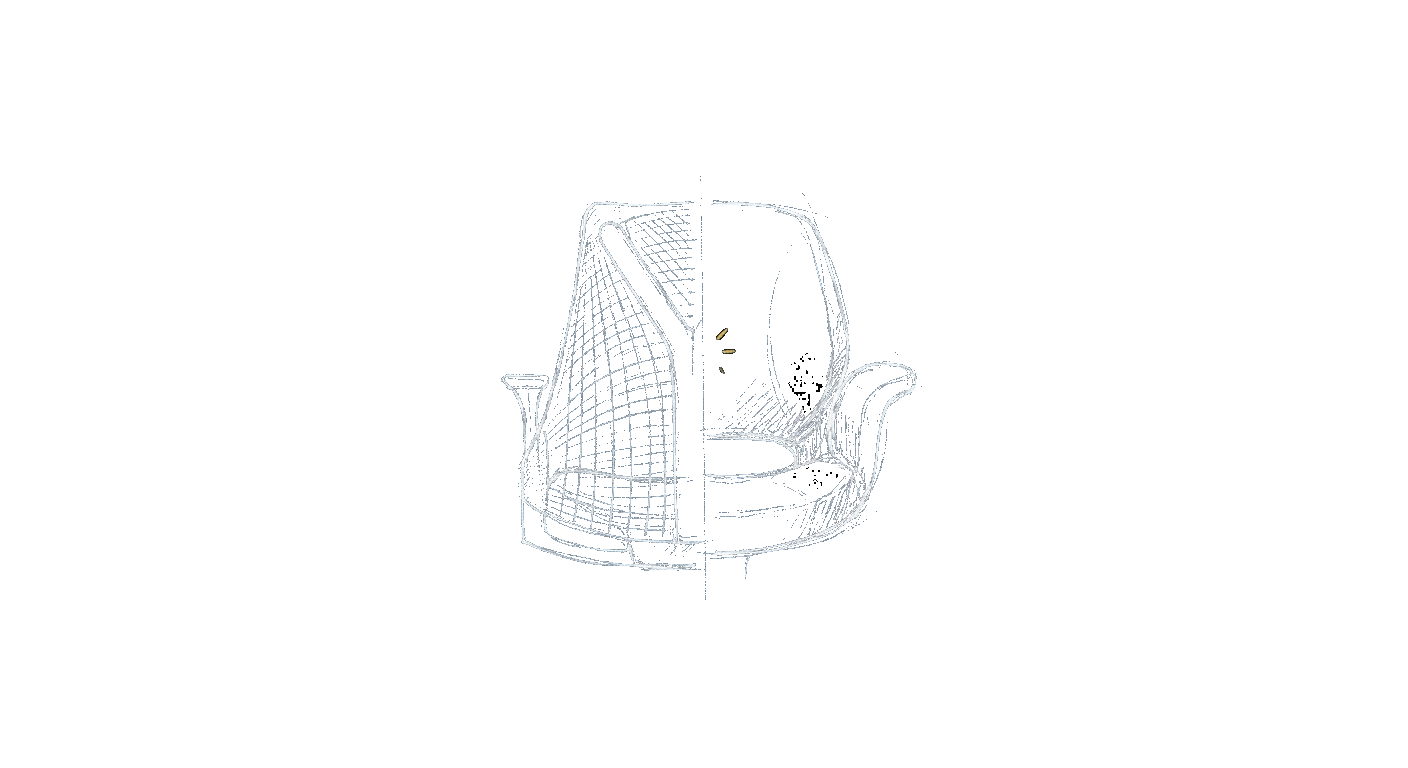
How does breathability compare between mesh and foam?
Mesh chairs use a woven fabric that lets air pass through the backrest and often the seat. This open design allows body heat to escape and keeps you cooler during long stretches. Foam, by contrast, is a dense material that traps heat against your body, especially in the seat pan. Many foam chairs rely on a thin layer of fabric or leather that does little to vent warmth. If you work in a warm office or tend to overheat easily, mesh will feel noticeably more comfortable after an hour or two. In a cooler environment or if you sit on a seat cushion that is perforated or has a breathable cover, foam can still be pleasant. But for pure airflow, mesh wins by a wide margin.
Which provides better support for long hours?
Mesh backrests often have built-in lumbar support that can be adjusted for height and depth. The tension of the mesh itself provides a firm, even surface that encourages good posture. Because mesh gives slightly under pressure, it distributes your weight and can reduce hot spots. However, some people find mesh too firm, especially if the seat mesh lacks sufficient tension. Foam chairs typically offer a softer initial feel. High-quality foam (like cold-cure or memory foam) contours to your body and can relieve pressure on the tailbone and thighs. But lower-density foam can bottom out quickly, leading to discomfort. For long days, the best foam chairs use layered or dual-density foam to maintain support without feeling like a board. The trade-off is that foam may cause you to sink slightly, which can make micro-adjustments in posture harder over time.
How durable are mesh and foam chairs?
Mesh is generally very durable, with high-quality chairs using a woven polyester or nylon that resists sagging for years. But not all mesh is equal: cheaper mesh can lose tension, creating a hammock effect that reduces support. The frame is also critical, a well-built aluminum or steel frame will outlast a plastic one regardless of mesh type. Foam durability depends on density. High-resilience foam can hold its shape for five to ten years, while budget foam may compress permanently within a year or two. Foam also degrades faster in humid or very hot environments. Both materials can last a long time if you invest in a chair from a reputable brand, but mesh is less likely to develop a permanent body impression.
Who should choose a mesh office chair?
Mesh chairs are ideal for people who run warm or sweat easily. They’re also great if you sit with your back against the chair most of the time, the breathable backrest keeps your spine dry. Mesh suits those who prefer a firmer, more responsive seat and who value easy cleaning (mesh doesn’t absorb spills the way foam does). If you’re in a hot climate or have a job that keeps you in the chair for eight or more hours, mesh is often the smartest choice. It’s also a good fit for users who are heavier, as high-quality mesh can handle more weight without sagging than most foam bases.
Who should choose a foam office chair?
Foam chairs are better if you love a plush, cushioned seat. They can be especially comfortable for lighter individuals who don’t compress foam as much, allowing it to cradle without bottoming out. People with tailbone sensitivity or certain back conditions may find foam easier on pressure points. In a cold office or drafty room, foam’s heat retention can actually be a benefit. Foam also tends to be quieter, mesh chairs sometimes creak as the weave moves. And if you prefer a chair that looks more traditional (like leather or thick fabric), foam is the way to go. Just be sure to pick a chair with high-density foam and a breathable cover if heat is still a concern.
Can you get the best of both in a hybrid chair?
Many manufacturers now offer chairs with a mesh backrest and a foam or padded seat. This hybrid design gives you the breathable support of mesh for your spine and the cushioning of foam for your thighs and buttocks. It’s a practical compromise if you can’t decide between the two. Some premium chairs also use a thin layer of foam over a mesh seat pan or incorporate a suspension fabric that mimics mesh’s airflow. If you have the budget, looking for a chair that combines materials can offer the long-day comfort you need without the biggest downsides of either pure mesh or pure foam.
Frequently asked questions
Is mesh or foam better for back pain?
It depends on the cause of your pain. Mesh chairs typically offer firmer lumbar support and encourage more active sitting, which can help with posture-related back pain. Foam chairs may be better if you need a softer surface to reduce pressure on the lower back or tailbone, but only if the foam is dense enough not to sag.
Do mesh chairs stretch out over time?
Yes, lower-quality mesh can lose tension and become baggy after a year or two. High-quality mesh from established brands retains its tension much longer, often for the life of the chair. Look for a chair with a tightly woven fabric and a strong frame to minimize sagging.
Are foam chairs harder to clean?
Foam chairs absorb spills and stains more easily than mesh, which allows liquids to pass through or be wiped off. If you eat or drink at your desk, a mesh chair is easier to clean. Foam typically requires spot-cleaning with upholstery cleaner, and serious spills can soak in and cause odors.
Which type is more affordable?
You can find budget-friendly options in both categories, but entry-level mesh chairs often cost less than comparable foam models because mesh uses less material. However, high-end mesh chairs (with adjustable lumbar and tension control) can be priced similarly to premium foam models. Generally, expect to pay a few hundred dollars for a decent chair of either type.
Can foam chairs cause overheating?
Yes, foam tends to trap body heat, making you feel warmer than you would in a mesh chair. Some foam chairs mitigate this with perforated foam, gel layers, or breathable fabric covers, but they still don’t ventilate as well as mesh. If you are prone to sweating, foam is likely to be less comfortable over long sessions.
Are mesh chairs good for petite or tall people?
Mesh chairs can be a good fit for different body sizes if they offer sufficient seat depth adjustment and height range. Petite users may find that mesh’s firmness doesn’t contour as well to lighter weight, potentially creating pressure points. Tall users often appreciate mesh because the backrest can provide continuous airflow along the entire spine. Always check the size range and adjustability of the specific model.