Best office chairs for 2026
Updated June 2026Independently researchedNo paid placement.
The Herman Miller Aeron is our top pick for its best-in-class adjustability and lasting comfort.
For back pain, the Steelcase Leap V2 shines; the Gesture is a premium option; the Branch Ergonomic Chair offers great value; and the Herman Miller Sayl delivers style on a budget.
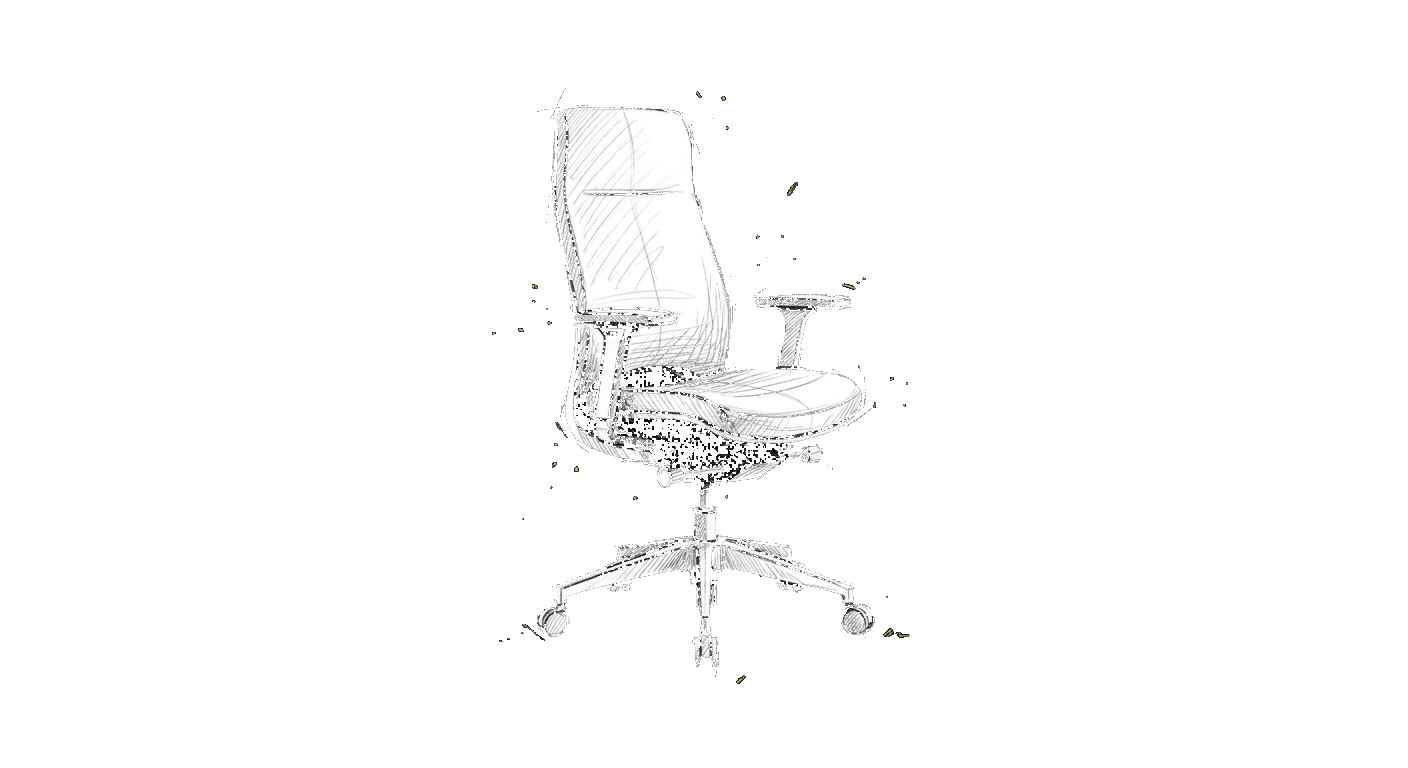
A good office chair isn’t a luxury—it’s a necessity for anyone who sits more than a few hours a day. Over time, the wrong chair can lead to chronic back pain, fatigue, and lost productivity. The right one supports your posture, keeps you comfortable through long stretches, and can last a decade or more. When shopping, focus on adjustability: seat height, armrests, lumbar support, and tilt tension should fit your body and workstation. Mesh versus foam, build quality, and warranty length also matter. Price is a rough guide—you can find excellent chairs and —but the best chair is one that fits you personally.
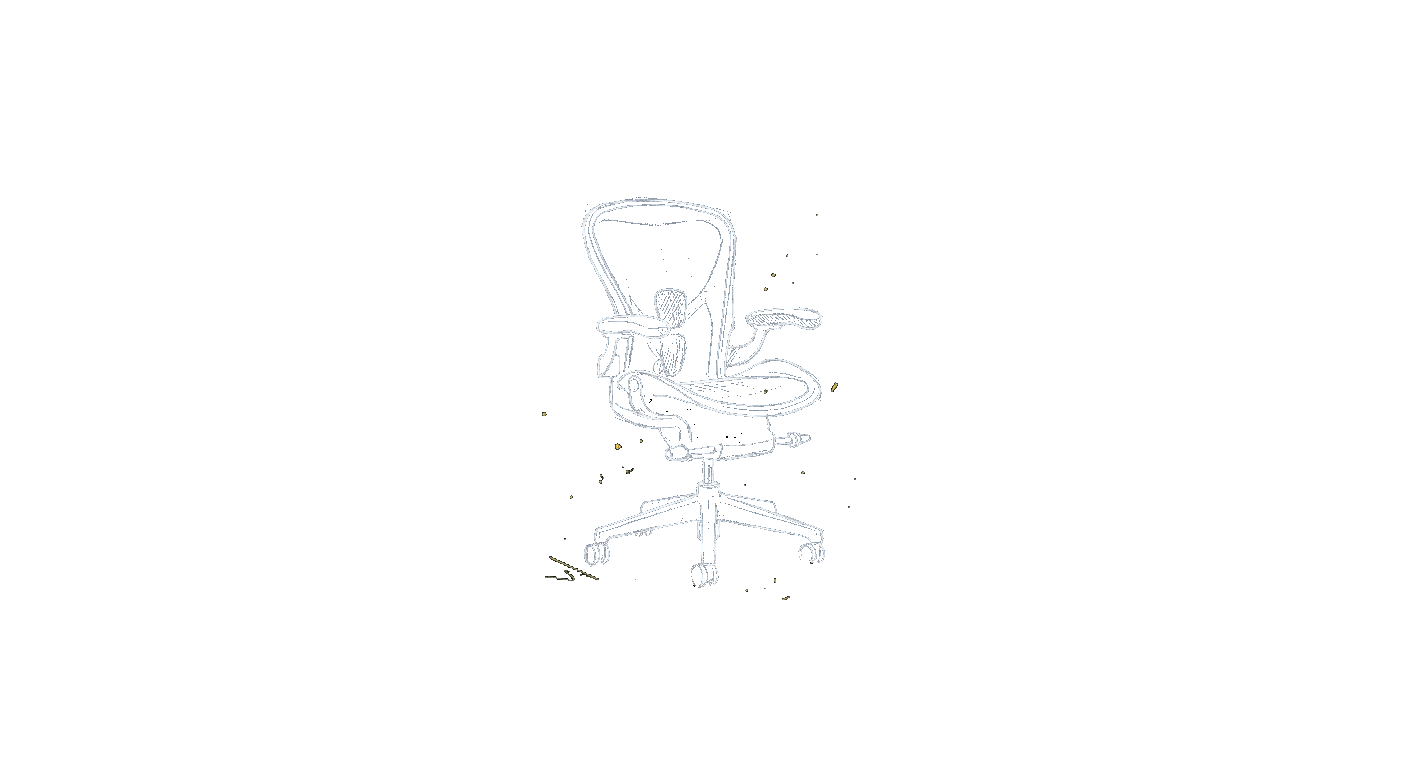
Herman Miller Aeron
the do-it-all default
4.7out of 5The Aeron remains the benchmark for an all-purpose office chair. Its breathable mesh back and seat keep you cool, while the PostureFit sacral support and extensive adjustments accommodate most body types. It lacks a headrest, and the price is steep, but its build quality and warranty are top-notch.
Price range: $$$$
Check price on Amazon →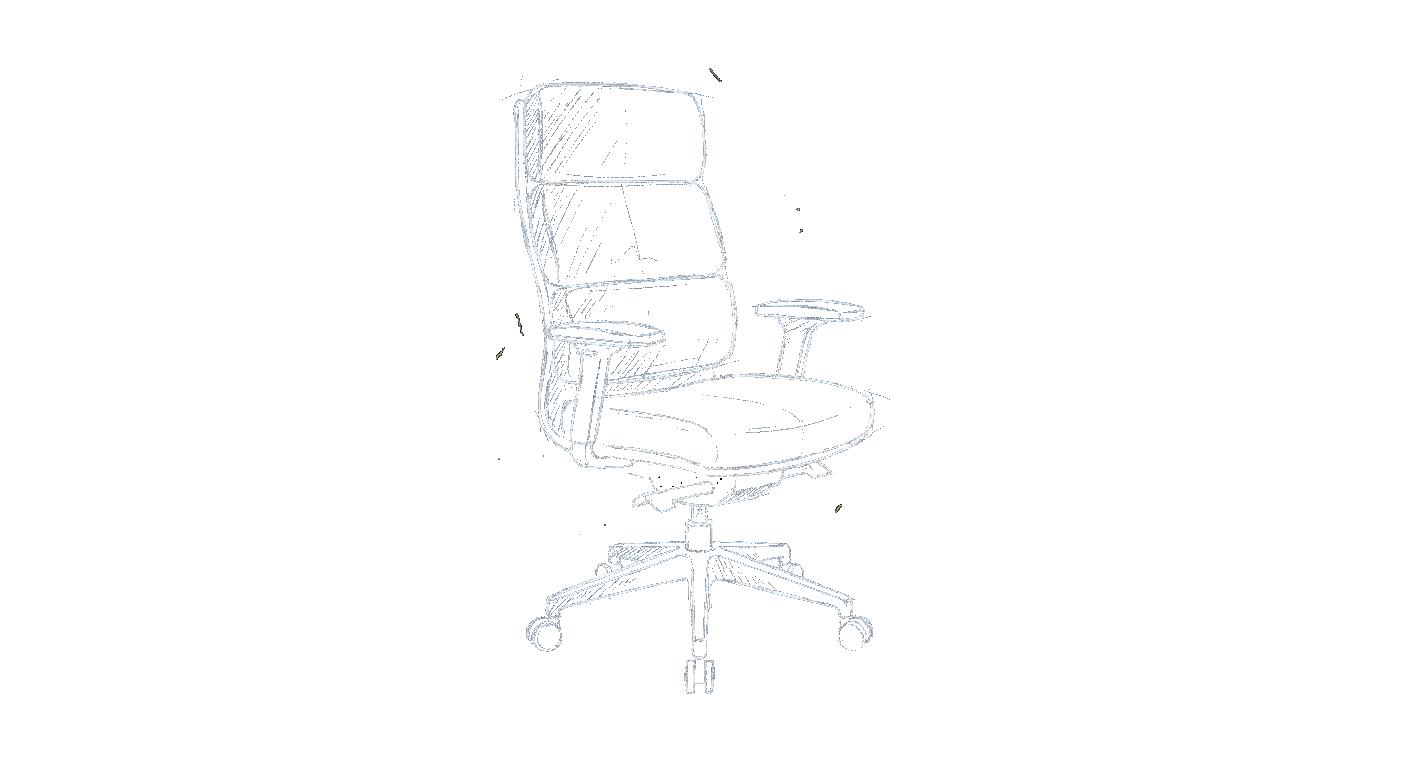
Steelcase Leap V2
the ergonomic workhorse
4.5out of 5The Leap V2 is widely praised by physical therapists and ergonomics experts for its excellent lumbar support and back-pain relief. Its seat cushion is generously padded, and the backrest moves with you. The design is a bit utilitarian, and the recline is less aggressive than some competitors, but it’s a proven workhorse.
Price range: $$$$
Check price on Amazon →Steelcase Gesture
the ultimate adjuster
4.6out of 5The Gesture lives up to its name with armrests that move in almost every direction, making it ideal for people who switch between typing, reading, and phone work. Its frame is sturdy and the seat is supportive, but the cushion can feel firm for some. It’s the priciest chair here, but its flexibility justifies the cost.
Price range: $$$$
Check price on Amazon →| Award | Model | Our score | Price | Best for | |
|---|---|---|---|---|---|
| Best overall | Herman Miller Aeron | 4.7 / 5 | $$$$ | Anyone who wants a long-lasting, highly adjustable chair for all-day work or study and is | Check price → |
| Runner-up | Steelcase Leap V2 | 4.5 / 5 | $$$$ | People with existing lower back pain or those who prioritize ergonomic support above all e | Check price → |
| Best value | Steelcase Gesture | 4.6 / 5 | $$$$ | Professionals who vary their ergonomic needs throughout the day and want a chair that adap | Check price → |
| Best value | Branch Ergonomic Chair | 4.3 / 5 | $$ | Budget-conscious buyers or remote workers new to ergonomic seating who want real adjustabi | Check price → |
| Best design value | Herman Miller Sayl | 4.4 / 5 | $$$ | Design-conscious buyers or those with a smaller budget who still want Herman Miller build | Check price → |
The picks in detail
1. Herman Miller Aeron: the do-it-all default
Best overallThe Aeron remains the benchmark for an all-purpose office chair. Its breathable mesh back and seat keep you cool, while the PostureFit sacral support and extensive adjustments accommodate most body types. It lacks a headrest, and the price is steep, but its build quality and warranty are top-notch.
Pros
- Exceptional breathable mesh that reduces heat buildup
- Wide range of sizes (A, B, C) to fit different body types
- Outstanding resale value and durability
- Fully adjustable armrests and tilt tension
Cons
- No built-in headrest (though a third-party add-on exists)
- Very high upfront cost
- The mesh can feel firm during the break-in period
Who it’s for
Anyone who wants a long-lasting, highly adjustable chair for all-day work or study and is willing to invest in quality.Who should skip it
You need a headrest, prefer a plush cushioned seat, or have a tight budget2. Steelcase Leap V2: the ergonomic workhorse
Runner-upThe Leap V2 is widely praised by physical therapists and ergonomics experts for its excellent lumbar support and back-pain relief. Its seat cushion is generously padded, and the backrest moves with you. The design is a bit utilitarian, and the recline is less aggressive than some competitors, but it’s a proven workhorse.
Pros
- Superb, highly adjustable lumbar support
- Seat cushion remains comfortable for hours
- Backrest flexes naturally to follow your movements
- Solid build with a long warranty (often 12 years)
Cons
- Looks dated and lacks a sleek, modern aesthetic
- Limited recline range compared to gesture chairs
- Higher starting price than many comparable models
Who it’s for
People with existing lower back pain or those who prioritize ergonomic support above all else.Who should skip it
You want a sleek modern look or need a chair that reclines fully for napping.3. Steelcase Gesture: the ultimate adjuster
Best valueThe Gesture lives up to its name with armrests that move in almost every direction, making it ideal for people who switch between typing, reading, and phone work. Its frame is sturdy and the seat is supportive, but the cushion can feel firm for some. It’s the priciest chair here, but its flexibility justifies the cost.
Pros
- Excellent support for diverse sitting postures
- Sturdy steel frame and premium materials
- Seat slide adjusts for different leg lengths
Cons
- Very expensive, often topping
- Seat cushion can feel too firm for lighter users
- Headrest optional and expensive
Who it’s for
Professionals who vary their ergonomic needs throughout the day and want a chair that adapts instantly.Who should skip it
You prefer a soft, plush cushion or need to keep the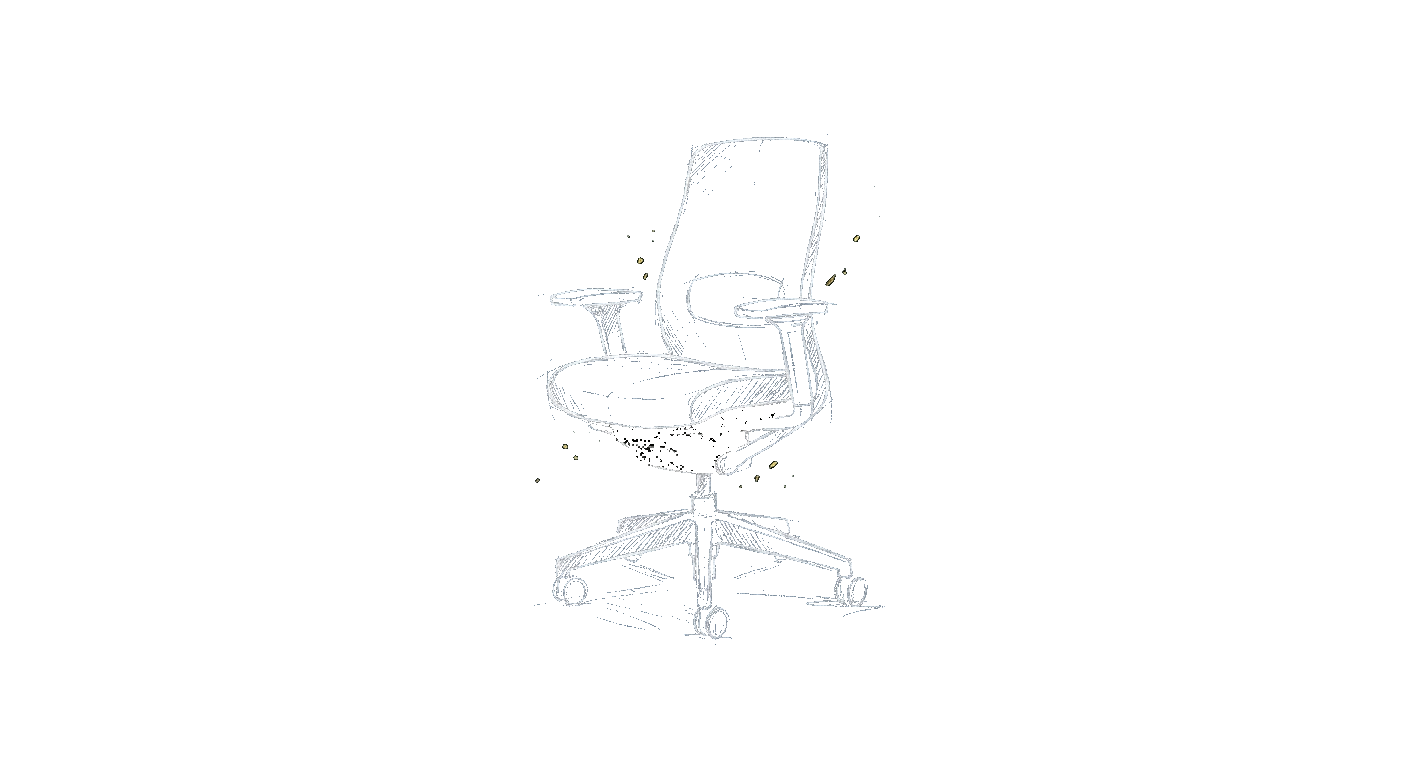
4. Branch Ergonomic Chair: the budget-friendly winner
Best valueThe Branch Ergonomic Chair punches above its price class with a solid mesh back, adjustable lumbar support, and a breathable seat cushion. It lacks the refined adjustability and build longevity of the premium picks, but for it’s a compelling value that suits many users.
Pros
- Very affordable compared to other ergonomic chairs
- Breathable mesh back and foam seat cushion
- Adjustable lumbar support and armrests
- Quick assembly and decent 7-year warranty
Cons
- Seat cushion may wear out faster than higher-end models
- Armrests are less adjustable and feel slightly wobbly
- Not as durable or repairable as Steelcase or Herman Miller
Who it’s for
Budget-conscious buyers or remote workers new to ergonomic seating who want real adjustability without breaking the bank.Who should skip it
You need extreme adjustability, a headrest, or plan to keep the chair for over a decade.5. Herman Miller Sayl: the stylish performer
Best design valueThe Sayl is a visually striking chair with a suspension back that mimics a bridge’s support cables. It offers good lumbar support and generous seat dimensions, but the lack of a seat slide and limited armrest options may impede taller users. It’s a lighter, more affordable entry into Herman Miller quality.
Pros
- Modern, sculptural design that stands out
- Suspension back provides flexible, breathable support
- Lower price point than the Aeron or Embody
- Available in multiple frame colors and finishes
Cons
- No seat depth adjustment (fixed angle)
- Lumbar support is less pronounced than on the Aeron
- Armrest options are limited compared to competitors
Who it’s for
Design-conscious buyers or those with a smaller budget who still want Herman Miller build quality and a distinct look.Who should skip it
You need extensive adjustability, especially seat depth, or you are very tall (over 6’2″).Best for specific needs
Best for all-day comfort
If you sit for eight or more hours straight every day, the Herman Miller Aeron is the most reliable choice. Its mesh material promotes airflow, preventing the heat and sweat that foam cushions can trap. With three size options and a reputation for durability, it’s a chair you can forget you’re sitting in. Our pick: herman-miller-aeron.
Best for back pain relief
When chronic lower back discomfort is your main concern, the Steelcase Leap V2 is the chair most ergonomists and chiropractors recommend. Its independent back and seat motion, plus a precisely adjustable lumbar pad, target the lumbosacral area without forcing a rigid posture. Many owners report significant pain reduction after switching. Our pick: steelcase-leap.
Best for style-conscious buyers
The Herman Miller Sayl brings a unique, minimalist aesthetic to an office chair without sacrificing core ergonomics. Its cantilevered suspension back looks like modern art, and the slim silhouette fits smaller spaces beautifully. It’s the right pick if you want a showpiece that still supports you through a full workday. Our pick: herman-miller-sayl.
Our verdict
Whether you’re outfitting a home office or upgrading a corporate cubicle, the right chair makes a real difference. The Herman Miller Aeron wins our top recommendation for its proven blend of comfort, adjustability, and build quality. If back pain is your priority, the Steelcase Leap V2 is the smarter investment; for tight budgets, the Branch Ergonomic Chair punches far above its price. And if design matters as much as function, the Herman Miller Sayl delivers both without breaking the premium tier. Try before you buy when possible, and expect your investment to pay off in better focus and fewer aches.
Frequently asked questions
How much should I spend on a good office chair?
A genuinely supportive ergonomic chair generally starts around $250 to $400, where you get real lumbar support and useful adjustments. Premium chairs run $1,000 or more and add refined mechanisms, better materials, and 10-to-12-year warranties. If you sit all day, the chair is worth more of your budget than the desk.
What adjustments actually matter on an office chair?
Seat height, seat depth, lumbar support, and armrest height matter most because they let the chair fit your body and desk. Recline tension and tilt help you move through the day. Fancy multi-axis arms and headrests are nice but secondary to getting those core four dialed in correctly.
Are expensive chairs like the Aeron really worth it?
For heavy daily users, yes, they last well over a decade, hold their adjustments, and carry long warranties that spread the cost over years. For light or occasional use, a mid-range ergonomic chair delivers most of the comfort for a fraction of the price. Match the spend to your hours in the seat.
How long does a quality office chair last?
A well-built ergonomic chair lasts 7 to 12 years or more, and the best carry warranties to match. Cheaper chairs often start sinking, squeaking, or wearing through padding within a couple of years. Replaceable parts and a strong warranty are the clearest signals of a chair that will go the distance.
Mesh or upholstered, which office chair is better?
Mesh breathes and stays cooler, which suits warm rooms and long sessions; upholstered foam feels plusher and warmer and many find it comfier for all-day sitting. Neither is universally better, it comes down to your climate, how warm you run, and the feel you prefer under you.